
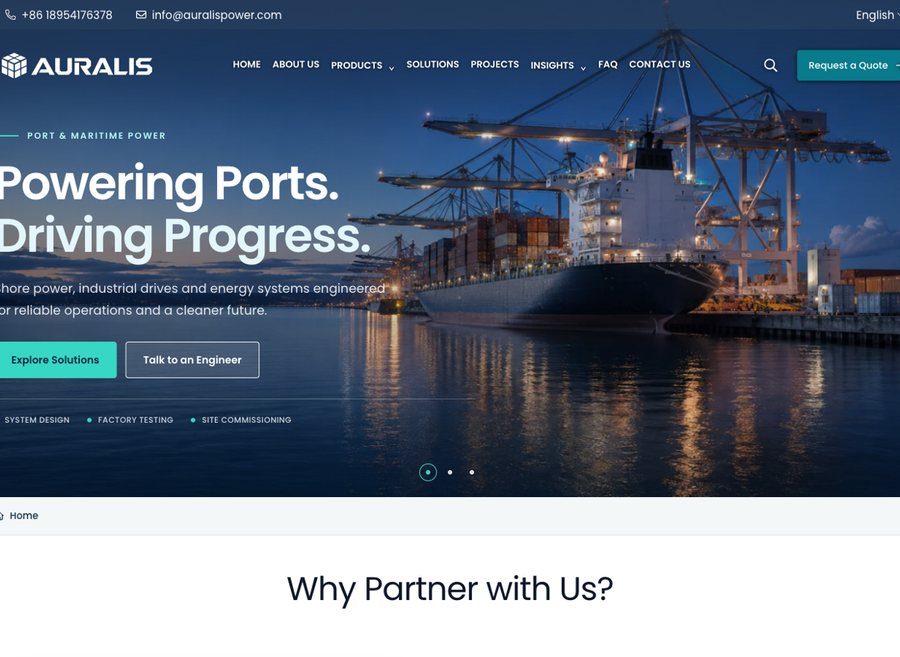



Build the content list from customer questions
Collect questions from sales conversations, enquiry emails and project discussions. Customers may ask what you do, which businesses you serve, what they need to supply and how to discuss timing or budget. Keep their original wording before grouping similar questions into topics.
Record the context as well. Someone discovering a business needs a clear introduction, while someone comparing suppliers may need scope, delivery and maintenance details. Similar words can represent different reading needs.
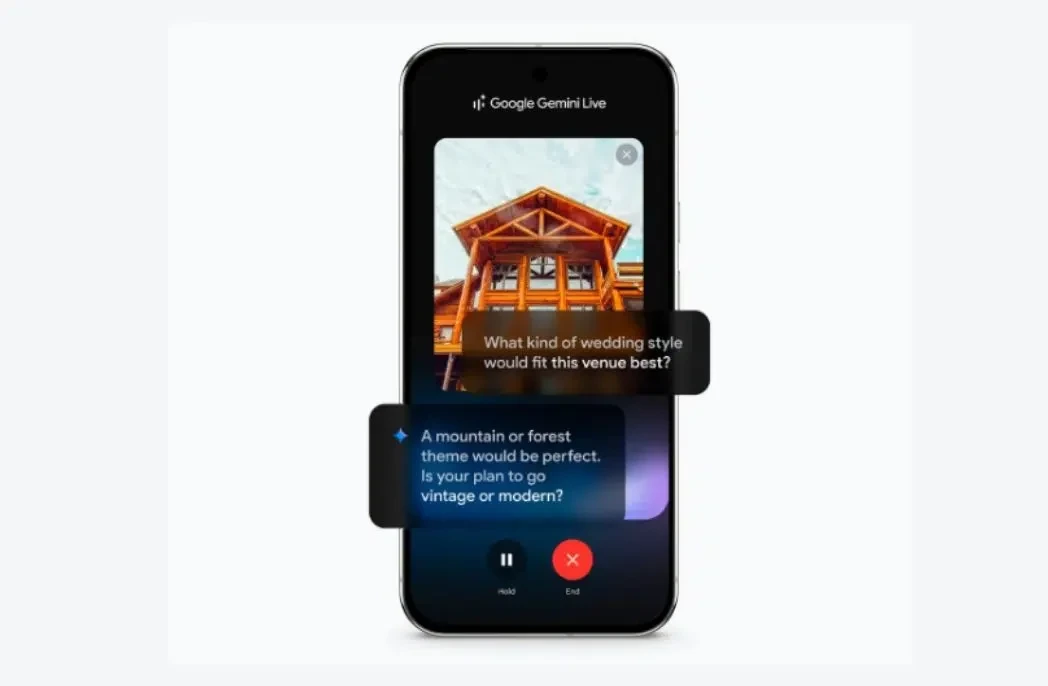
Give each page a primary decision to support
A page can answer several related questions while still having one main purpose. A service page helps a visitor assess fit, a case page explains an approach, and a question page resolves a specific concern. Agree that purpose before arranging the supporting information.
Pages that repeat the same introduction with a different industry name offer little help in distinguishing options. Combine repetition or add relevant scenarios, material requirements and decision criteria. A larger page count does not automatically mean more useful information.

Plan words and images together
An image can show a visual direction, a product or a process. Nearby text explains what the visitor should take from it. For a template preview, describe the suitable business, included pages and areas that can be adapted so a visual preference can become a practical choice.
Use descriptions that fit the image's role rather than naming every image case study or adding a list of keywords. If a screenshot, chart or video carries essential information, explain the key point in nearby text so it remains understandable when the media is difficult to inspect.
Connect the next question to the next page
After finding one answer, a reader often has another question. A service page can link to a relevant design example, a template detail can lead to budget planning, and an article can offer a deeper explanation of a related topic.
Name the destination in the link. See the included pages is clearer than a row of identical learn more labels. Click the links before publishing and confirm that the destination remains relevant on mobile and in each language.
Maintain the content using actual feedback
Continue collecting information customers cannot find and questions that recur after launch. Map each observation to a page: is the title unclear, the material incomplete or the entry difficult to find? Address gaps affecting understanding before adding another article.
Keep a short inventory of each page's purpose, content owner and last check. When the offer or delivery process changes, update the related pages together. Useful content planning continues after publication rather than ending with a list of keywords.