

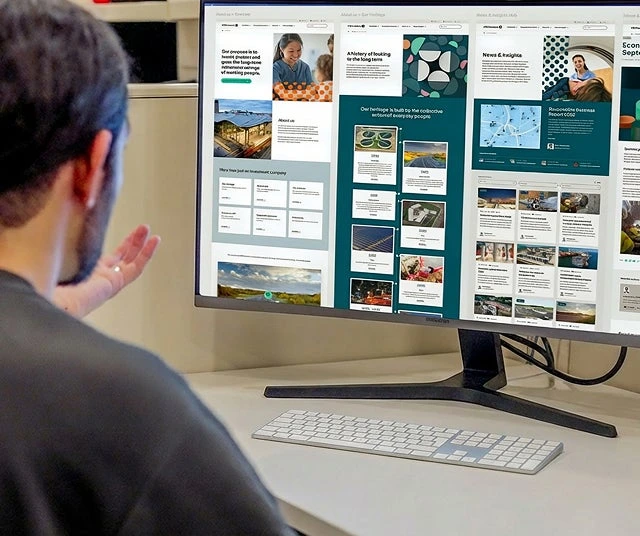
Deliver information architecture, key journeys, wireframes and testing records. Cover entry, comparison, enquiry, back navigation and recovery.
User experience design · Working details
Organise navigation and pages around the tasks visitors need to complete, making information easier to find and actions easier to follow.
Working material
Research records tasks and real difficulties rather than visual preference alone. Retain samples, questions and limits to understand where findings apply.
Delivery and checks
Observe different participants on the same task and record hesitation, misunderstanding and recovery. Repeat after changes to check that the problem improved.
Related design commentary
Organise navigation and pages around the tasks visitors need to complete, making information easier to find and actions easier to follow.

Incitec Pivot Fertilisers · Design showcase
Organise agricultural products by crop, application and resource type, identifying scope and version on downloads.

Cancer Council Australia · Design showcase
Organise health information around reader questions, with clear distinctions between research, services and participation.

Melbourne Business School’s AI chatbot · Design showcase
Bound a conversational helper's questions, provide source references and retain conventional search and human contact.

Launceston Airport · Design showcase
Organise airport information around departure, arrival and ground transport, identifying sources and freshness of live data.

World Vision International · Design showcase
Distinguish global information from regional services, retaining topic context across language and location changes.
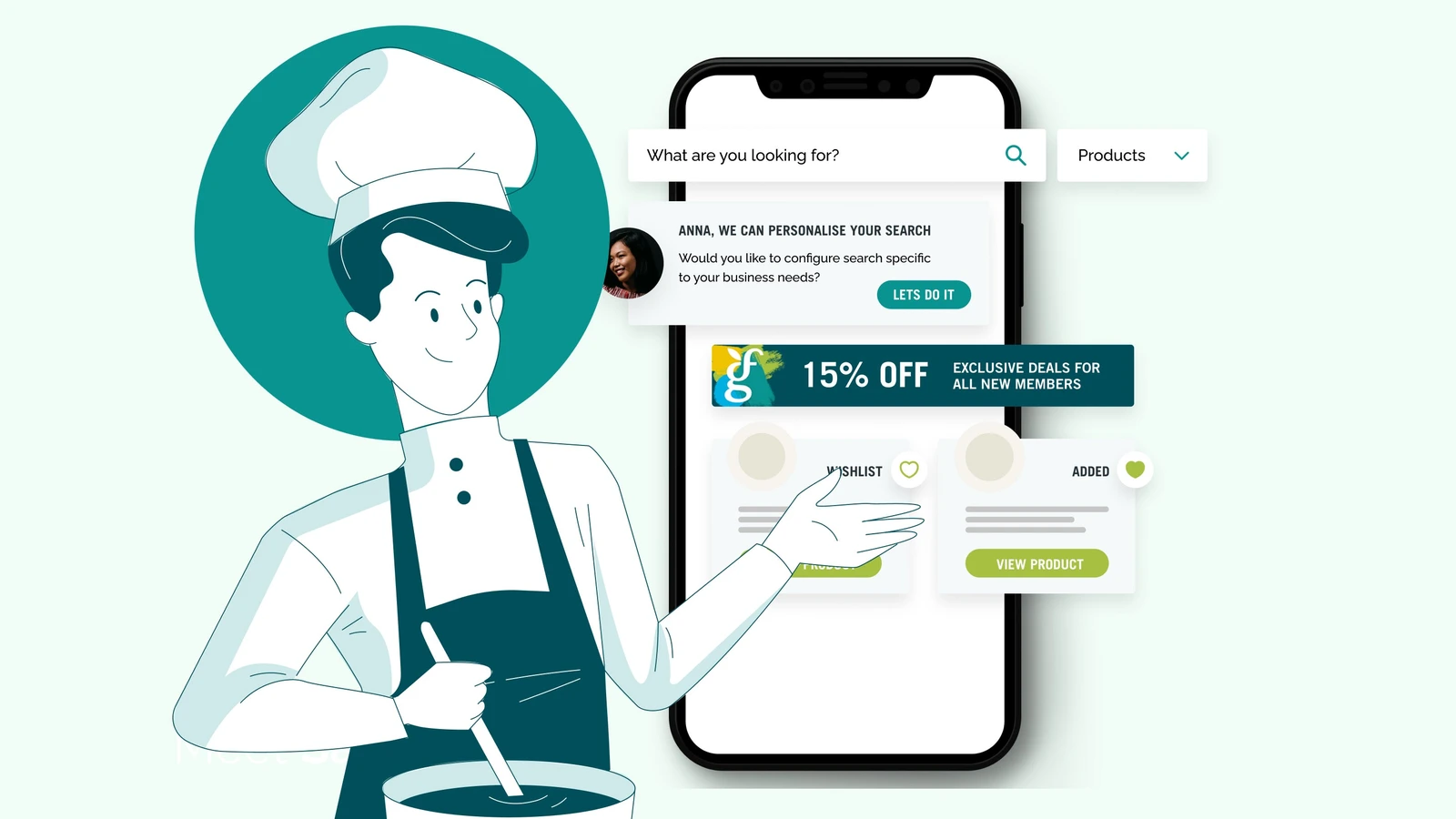
Goodman Fielder · Design showcase
Connect food brands and product applications while separating corporate and consumer journeys.

Vinnies · Design showcase
Separate getting help, volunteering and learning about projects, presenting location and contact information by task.

Vocus · Design showcase
Organise communications around individual and business needs, with clear routes to capability, products and support.

Vanguard Australia Service Design Project · Design showcase
Examine information, application and ongoing support together in service design, with ownership and feedback at handovers.

SILK Laser Clinics · Design showcase
Connect services, locations, preparation and enquiry paths, supplementing imagery with suitability information.

RedZed · Design showcase
Explain specialist financial services through customer situations and process, with conditions before enquiries.

Yuanjing Mobility | A new horizon
Concept case · A distinctive brand story and connected product journey for a new electric-mobility concept.

The Fred Hollows Foundation · Design showcase
Connect people, projects and action in a non-profit narrative, with discoverable use-of-funds and progress information.

Xinglv Airport | Clearer journeys
Concept case · Clear terminal guidance, transport and services for departures, arrivals and connections.

Simplot · Design showcase
Present food brands, business and applications with separate consumer and partnership entry points.

Money3 · Design showcase
Explain financial service eligibility, process and cost information before applications and document collection.

Interrelate · Design showcase
Explain audiences, access methods and appointment preparation for family support in direct, understandable language.

Churches of Christ · Design showcase
Group community services by practical needs and present locations, audiences and contact steps together.

Pearson Australia Schools · Design showcase
Categorise educational products by level, subject and format, distinguishing teachers, families and institutional buyers.

The Salvation Army Discovery Project · Design showcase
Identify users and support situations during discovery before arranging service, location and contact journeys.

Allens 200 · Design showcase
Use a chronology to connect people, events and images, with clear cues for browsing by period.

Kapitol Group · Design showcase
Build a construction directory around imagery, project types and locations, with scope and design details on each page.

UNICEF Australia · Design showcase
Cross-organise non-profit content by theme, region and participation, retaining sources and updates for important material.

Fandelo · Design showcase
Emphasise work, creators and discovery on a content platform, matching categories to content formats.

Avant · Design showcase
Provide distinct routes to professional support, products and resources, maintaining continuity across sign-in.

Fleet Plant Hire · Design showcase
Filter equipment services by purpose, specification and project conditions, carrying models and location into enquiries.

Fuso · Design showcase
Support vehicle comparison through models, applications and specifications, pairing imagery with technical information.

Yuechang Sports | Brand & content
Concept case · Connecting events, venues and sports culture through a clear visitor journey.

The Australian and New Zealand College of Anaesthetists (ANZCA) · Design showcase
Separate training, member and public journeys on a professional college site, with clear terminology and resource categories.

Reward Hospitality · Design showcase
Support business purchasing with categories, specifications and supply information, retaining items and quantities in quotation requests.
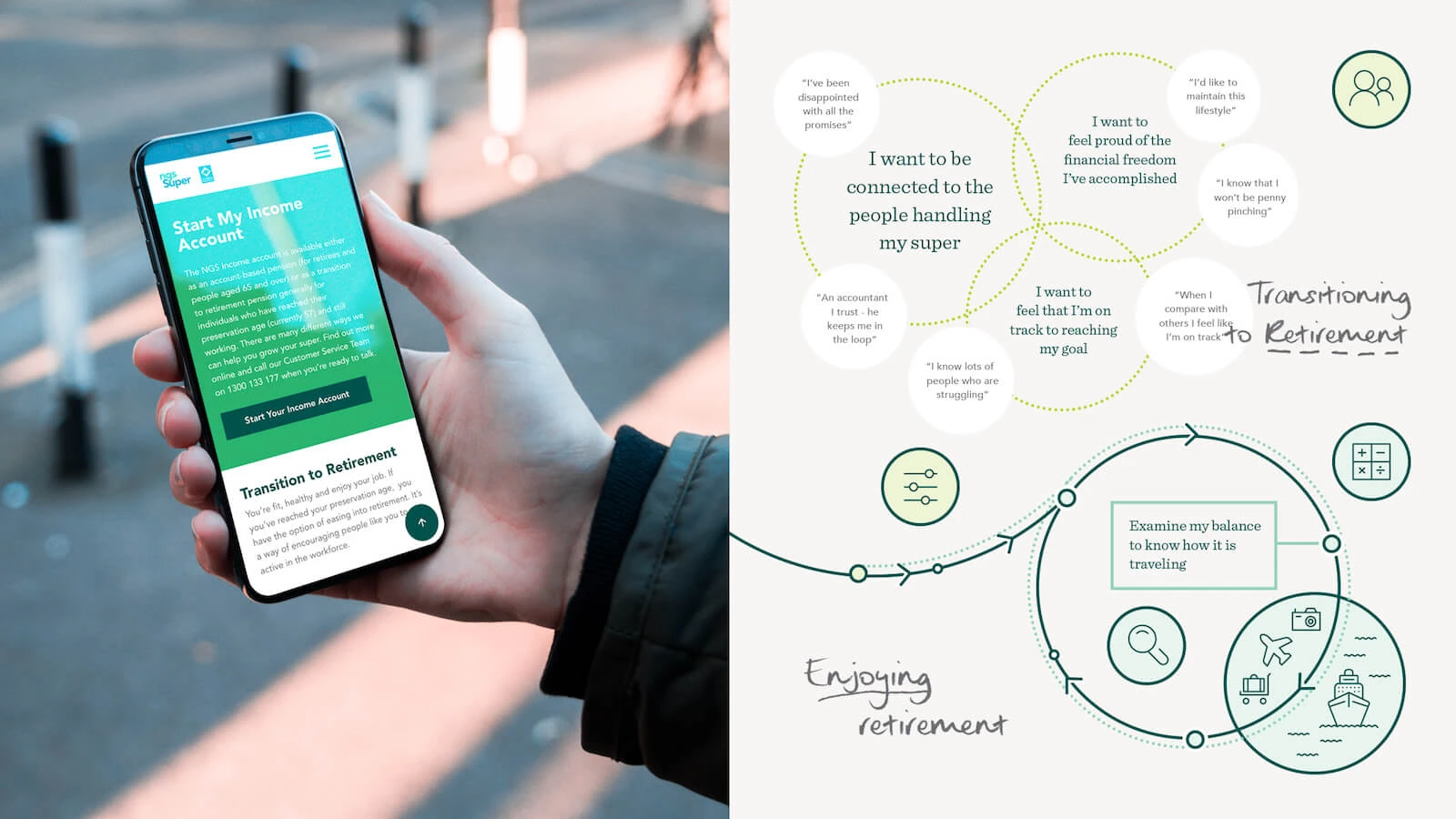
NGS Super · Design showcase
Use life-stage routes for member services, with complete informational and account journeys.
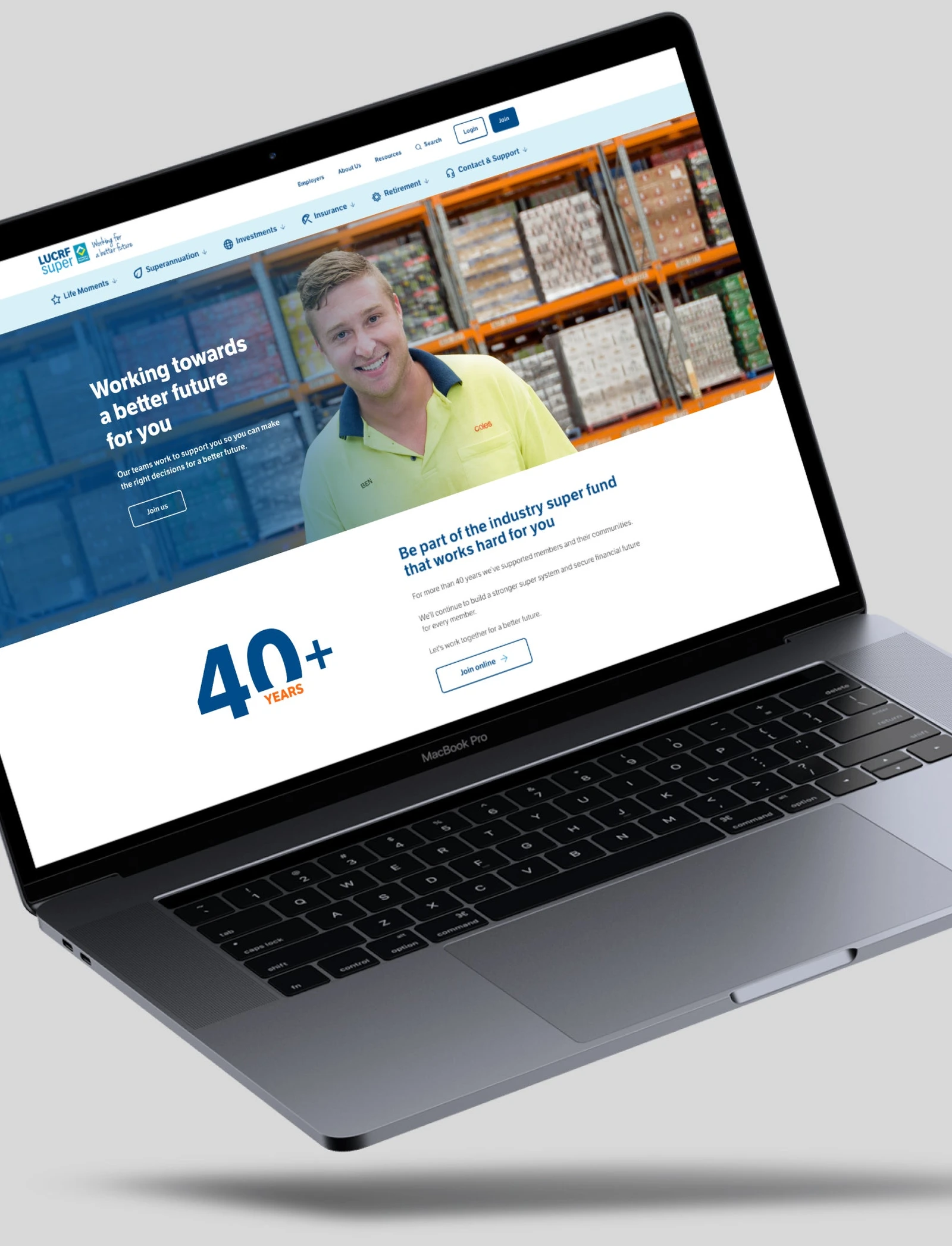
LUCRF Super · Design showcase
Maintain stable resource categories and frequent member actions without allowing updates to displace core tasks.

Weir Minerals · Design showcase
Connect industrial applications, equipment and support material, with clear versions and product relationships.

ANZIIF · Design showcase
Connect professional courses, events and industry resources through consistent categories and learning goals.

Qiju Electric | Considered product choices
Concept case · Connecting living spaces, product discovery and planning to make technical choices clearer.

GroundProbe · Design showcase
Introduce the application problem before technical principles, specifications and support resources.
Related practical notes
Organise navigation and pages around the tasks visitors need to complete, making information easier to find and actions easier to follow.

Change approval
Project discipline
Define change approval responsibilities, inputs, collaborators and review outcomes. This page describes a discipline; staffing is agreed for each project.

Component maintenance
Project discipline
Define component maintenance responsibilities, inputs, collaborators and review outcomes. This page describes a discipline; staffing is agreed for each project.

Customer journeys
Project discipline
Define customer journeys responsibilities, inputs, collaborators and review outcomes. This page describes a discipline; staffing is agreed for each project.

Search experience
Project discipline
Define search experience responsibilities, inputs, collaborators and review outcomes. This page describes a discipline; staffing is agreed for each project.

Service blueprints
Project discipline
Define service blueprints responsibilities, inputs, collaborators and review outcomes. This page describes a discipline; staffing is agreed for each project.
Usability observation
Project discipline
Define usability observation responsibilities, inputs, collaborators and review outcomes. This page describes a discipline; staffing is agreed for each project.
Practical notes
Why UX is not optional
Define audience tasks and current difficulties at kickoff and test journeys early. Scale research to the budget without omitting the problem definition.
Practical notes
Demystifying UX and industry terminology
Explain journeys, wireframes and prototypes through problems, structure and interaction testing. Use one shared page example so the team does not work from conflicting definitions.
Practical notes
UX: The art and science of problem solving
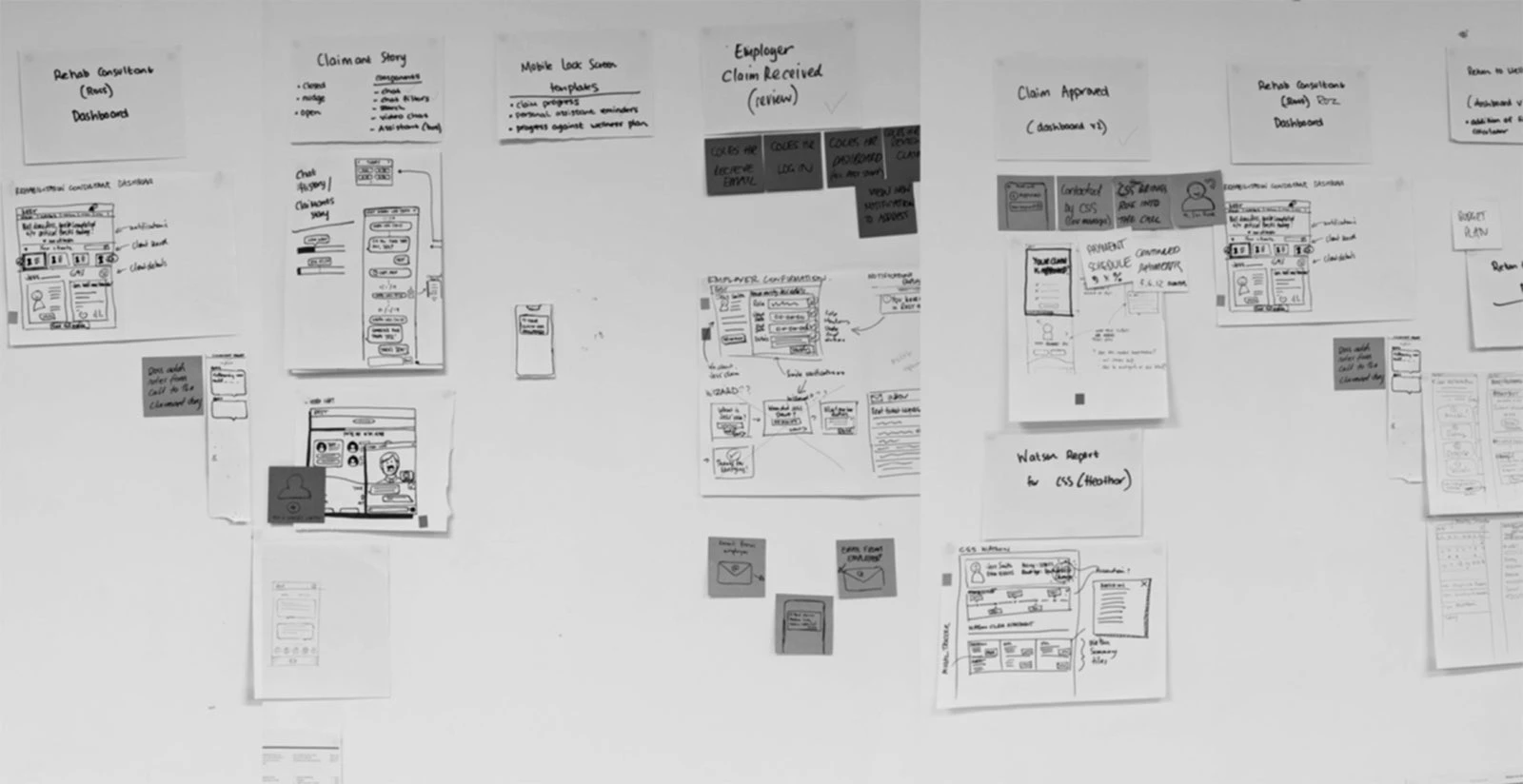
Record goals, journeys and hesitation before proposing testable changes. Ground decisions in observation rather than internal taste alone.
Practical notes
How understanding human mental models drives better UX design
Ask participants to group content and explain labels, then compare with navigation. Internal departments may not match how customers understand services.

Practical notes
Defining an expanded UX service
Separate research, structure, prototypes and testing into deliverables and explain client participation. Do not label a design discussion as completed research.

Practical notes
Defining outcomes in an education partnership
State questions, student responsibilities, deliverables and publication permissions. Keep unconfirmed partnerships as plans rather than public credentials.

Practical notes
Will AI destroy the art of human communication?
Use tools for notes and drafts and review facts, tone and commitments before sending. Check permission for personal accounts and sensitive information.
Practical notes
Accessibility design in practice
Specify focus states, error messages and image-description responsibilities beside components. Review a complete keyboard journey as well as static frames.
Practical notes
Connecting service touchpoints and operations
Map enquiry, confirmation and delivery. Name the owner and handover material at each touchpoint, then check whether customers can see progress while waiting.

Practical notes
How to create a digital strategy roadmap
Separate current problems, near-term improvements and later experiments, with owners and evidence. Keep the rationale for roadmap changes traceable.

Practical notes
7 tips for a successful digital roadmap
Give each initiative a user problem, owner, dependencies and acceptance criteria. Plan verifiable stages rather than committing every future idea at once.

Digital product design workbook
Download this editable digital product design workbook to record current work, open questions and owners. OXOAK examples can be adapted to the project.

Practical notes
UX v SEO: Friends or Foes?
Use headings for customer questions, direct answers and clear onward navigation. Avoid keyword-only pages and excessive simplification.

Practical notes
Design Fidelity & Prototyping
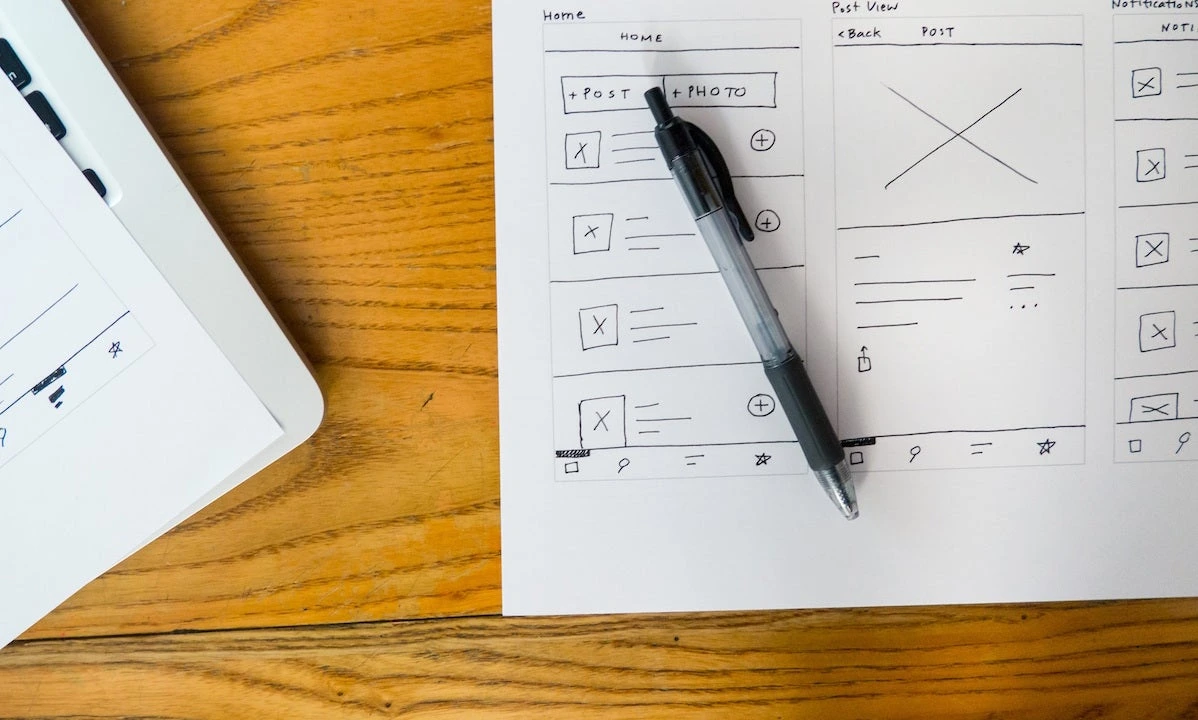
Use low-fidelity wireframes for information order and realistic content for reading and brand questions. Avoid polishing every shadow before the structure has been validated.
Related practical notes
Organise navigation and pages around the tasks visitors need to complete, making information easier to find and actions easier to follow.

Practical notes
How to choose the right CMS
Use an article, product and approval as sample tasks. Have real editors author, preview and restore content and record assistance and maintenance costs.

Practical notes
Building a martech stack
Map acquisition, content, email, analytics and customer records, including existing tools. Before adding a system, check export, synchronisation and maintenance ownership.

Practical notes
Plan human review for AI content
Generating a whole website and then looking for someone to check it encourages a rushed review. Decide beforehand which material is available, which statements need approval and who can publish the result. The draft can then be built around information that is possible to verify.
Practical notes
How to create a digital strategy roadmap
Separate current problems, near-term improvements and later experiments, with owners and evidence. Keep the rationale for roadmap changes traceable.

Practical notes
How to perform a website audit
Sample navigation, copy, images, forms, search and mobile tasks. A successful response establishes reachability, not correct content or behaviour.

Practical notes
How to brief a digital agency
State the business, audience, pages, available material and decision-maker. Clarify budget and timing conditions and identify specific reference sections.

Planning headless CMS content
Download this editable planning headless cms content to record current work, open questions and owners. OXOAK examples can be adapted to the project.
Digital product design workbook
Download this editable digital product design workbook to record current work, open questions and owners. OXOAK examples can be adapted to the project.
Practical notes
Why conducting a content audit is essential
Record URL, topic, owner, validity and action. Distinguish duplicates, outdated material and unsupported claims rather than deciding from traffic alone.