
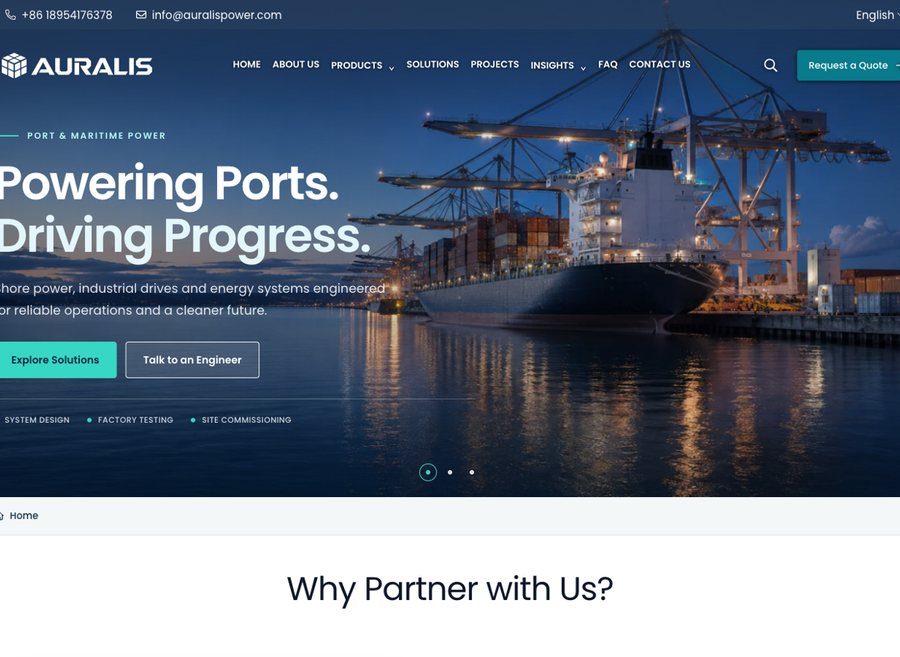


Organise purpose, project updates and ways to take part. Explain suitability before comparison and the next step.
Content to prepare
Purpose, project updates, participation conditions and funding information. Record sources, update dates and owners and mark missing material explicitly.
From browsing to action
Follow a real task through entry, listing, detail and contact. Explain requirements before enquiries or purchases and validate the same journey on mobile and with a keyboard.
Related design commentary
Organise purpose, project updates and ways to take part into a clear website experience that helps visitors understand the offering and find their next step.

Cancer Council Australia · Design showcase
Organise health information around reader questions, with clear distinctions between research, services and participation.

World Vision International · Design showcase
Distinguish global information from regional services, retaining topic context across language and location changes.
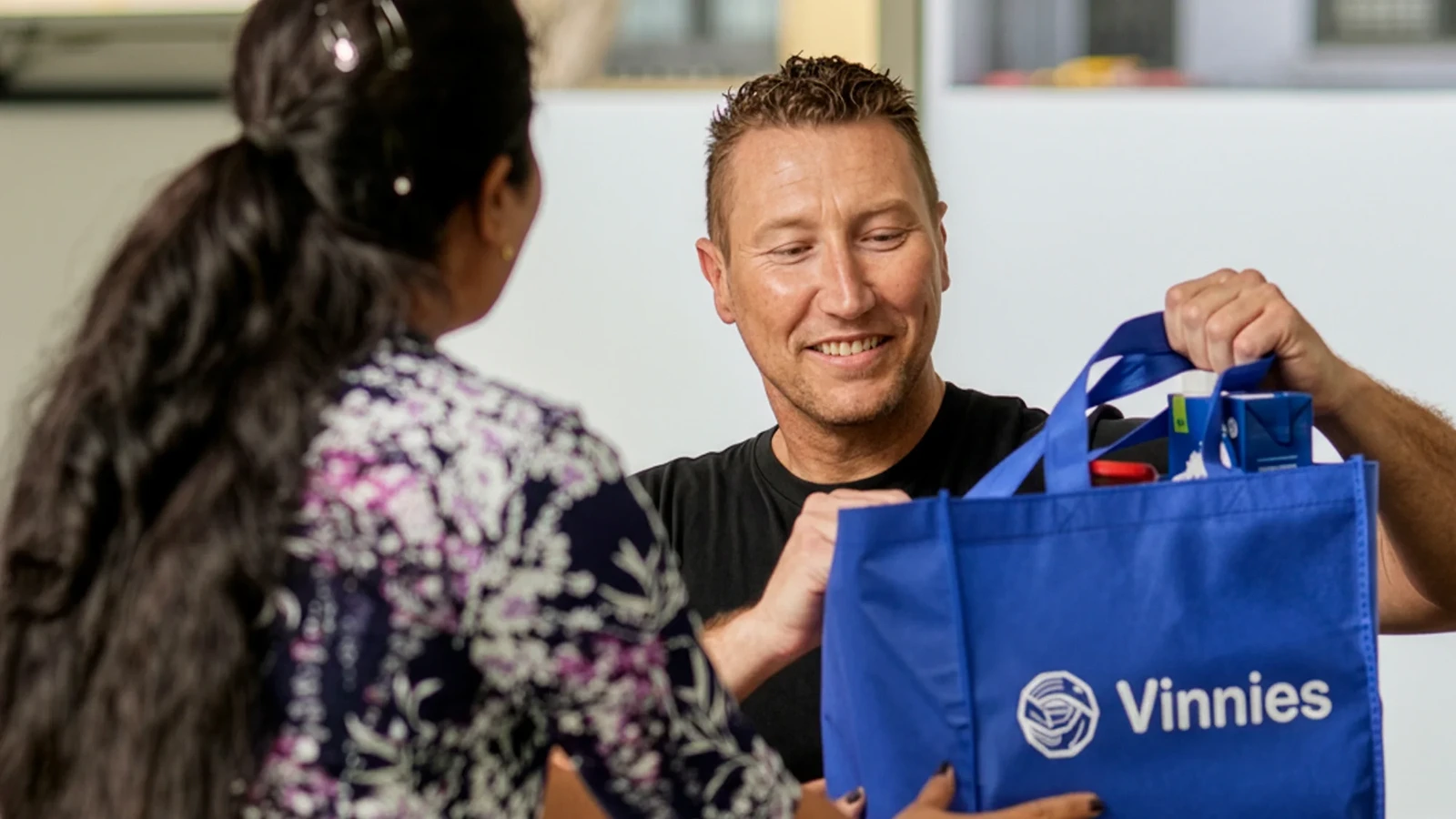
Vinnies · Design showcase
Separate getting help, volunteering and learning about projects, presenting location and contact information by task.

The Fred Hollows Foundation · Design showcase
Connect people, projects and action in a non-profit narrative, with discoverable use-of-funds and progress information.

Beyond Blue · Design showcase
Separate support, information and participation, keeping urgent and important routes visible and understandable.

Interrelate · Design showcase
Explain audiences, access methods and appointment preparation for family support in direct, understandable language.

Churches of Christ · Design showcase
Group community services by practical needs and present locations, audiences and contact steps together.

The Salvation Army Discovery Project · Design showcase
Identify users and support situations during discovery before arranging service, location and contact journeys.
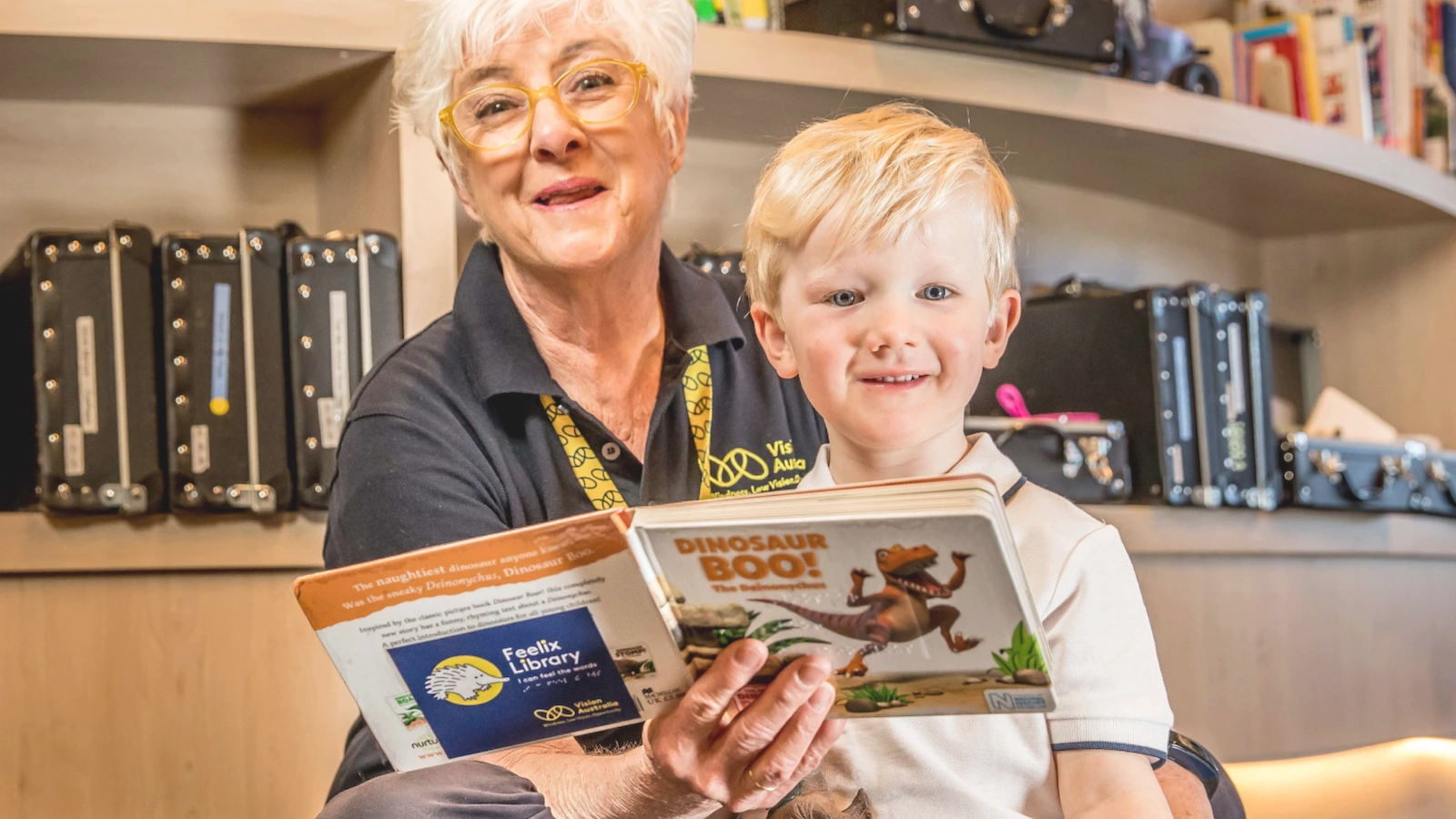
Carols by Candlelight · Design showcase
Lead an event site with dates, location, participation and programme details, supported by atmospheric imagery.
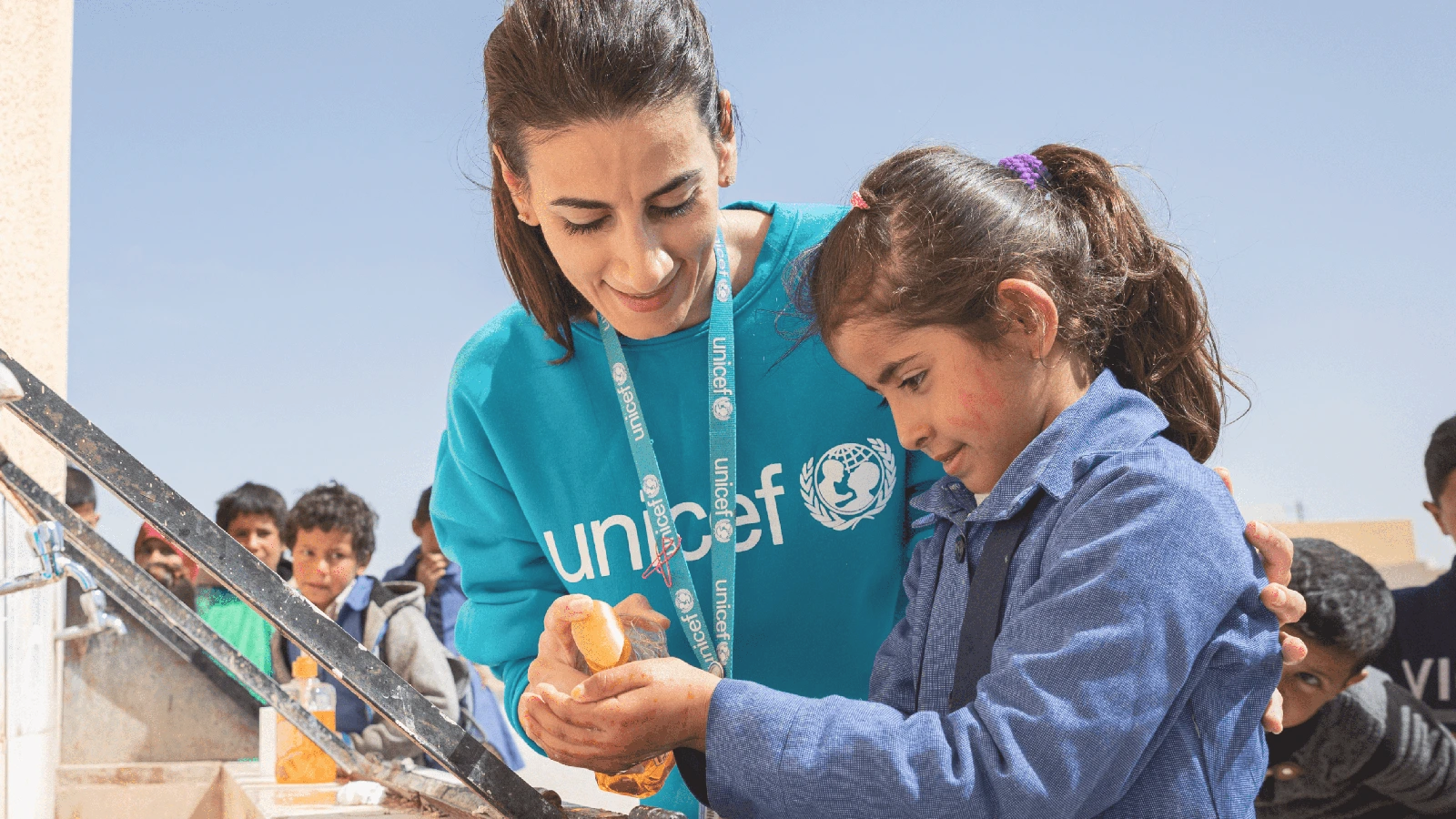
UNICEF Australia · Design showcase
Cross-organise non-profit content by theme, region and participation, retaining sources and updates for important material.

Save the Children · Design showcase
Connect purpose, activities and participation through imagery and explanations of context and work.

Heart Foundation · Design showcase
Group health knowledge, research and participation, making sources and action conditions equally discoverable.

Veggycation · Design showcase
Categorise educational food content by ingredient, question and use case, using visual indexes for discovery.

Australian Centre for the Prevention of Cervical Cancer · Design showcase
Distinguish public information, professional resources and organisational material, with identifiable sources and updates.
Explain the business clearly and give every visit a direction.
Related practical notes
Organise purpose, project updates and ways to take part into a clear website experience that helps visitors understand the offering and find their next step.

Account permissions
Project discipline
Define account permissions responsibilities, inputs, collaborators and review outcomes. This page describes a discipline; staffing is agreed for each project.

Component maintenance
Project discipline
Define component maintenance responsibilities, inputs, collaborators and review outcomes. This page describes a discipline; staffing is agreed for each project.

Interaction feedback
Project discipline
Define interaction feedback responsibilities, inputs, collaborators and review outcomes. This page describes a discipline; staffing is agreed for each project.

Brand positioning
Project discipline
Define brand positioning responsibilities, inputs, collaborators and review outcomes. This page describes a discipline; staffing is agreed for each project.

Form validation
Project discipline
Define form validation responsibilities, inputs, collaborators and review outcomes. This page describes a discipline; staffing is agreed for each project.

Practical notes
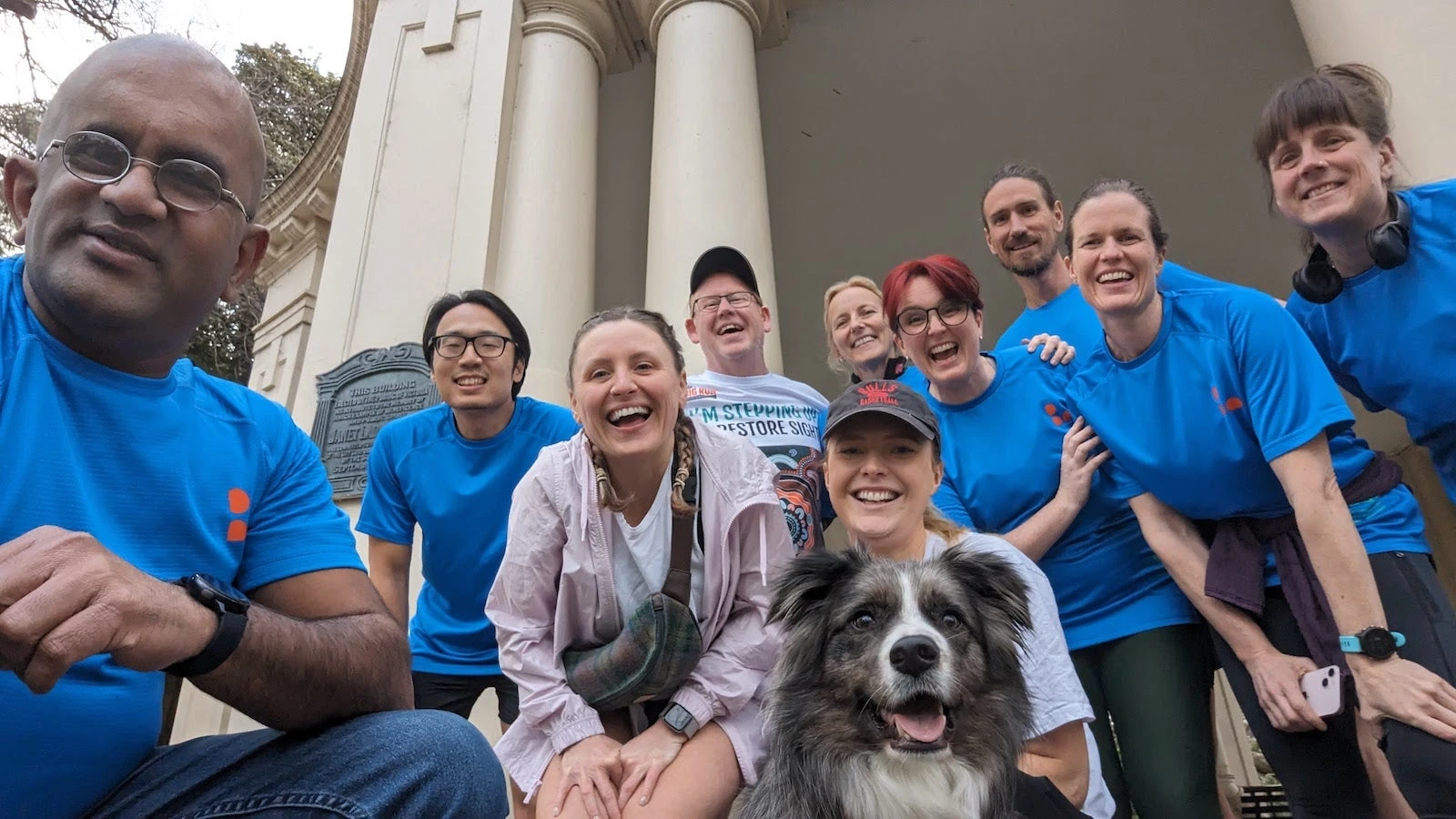
Recording the outcome of a charity campaign
Keep participation, received funds and expenditure evidence separate. Check the reporting date and duplicates before publishing figures; registrations are not donations received.
Practical notes
Connecting a fundraising story to its purpose
Explain why the campaign exists, how support is used and how outcomes can be checked. Emotion cannot replace fund and participation rules.

Practical notes
Organising information across community activities
Record dates, purposes and participation separately before summarising outcomes. Use photos and participant details within permission boundaries.

Practical notes
Designing fair participation in a charity challenge
Offer activity, communication or volunteer participation and optional public results. Keep support records separate from exercise data.

Practical notes
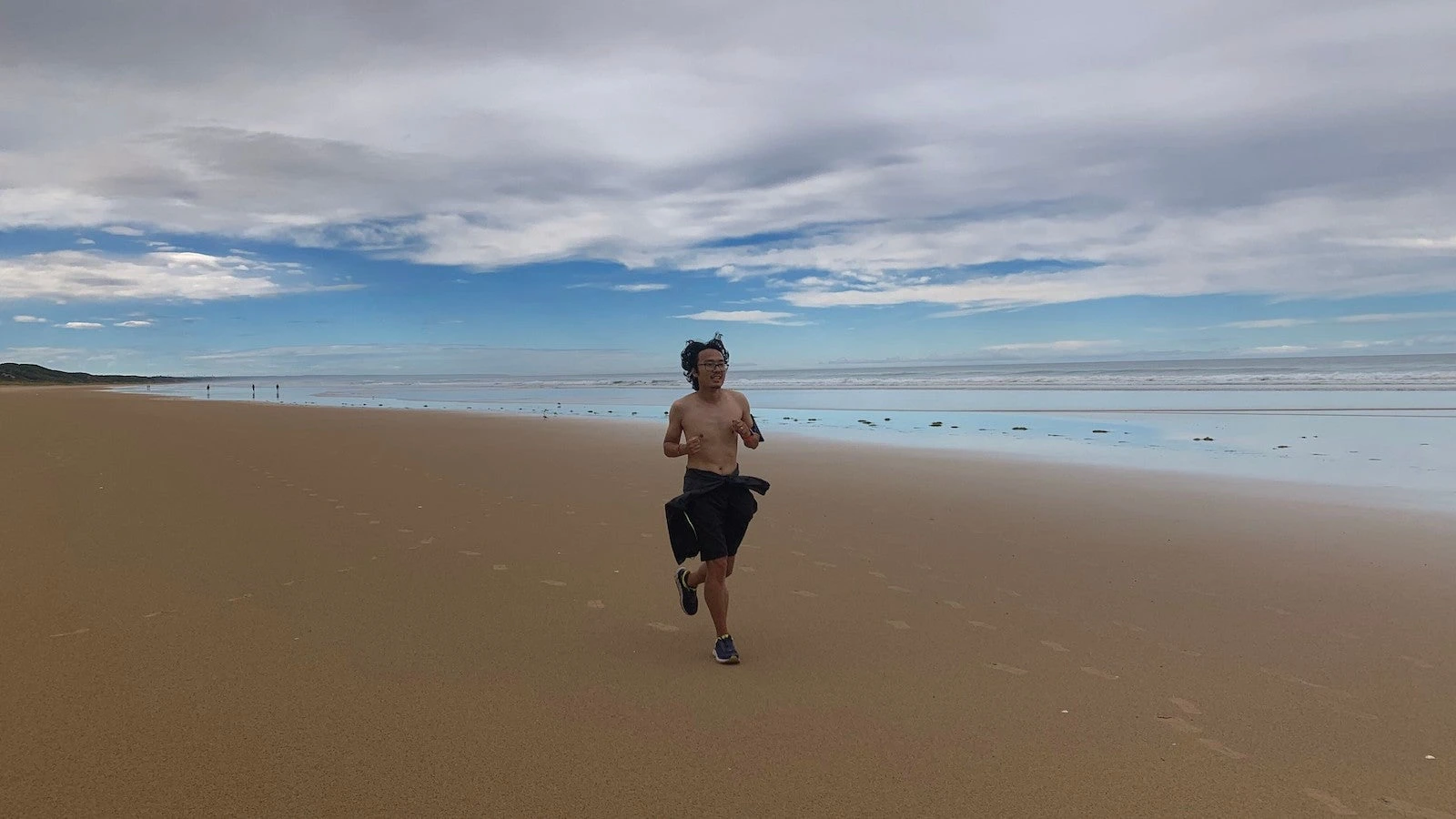
Reporting progress in a charity challenge
Separate goals, completed activity and received support, with update dates. Preserve evidence and avoid counting the same contribution twice.

Practical notes
Writing a grounded personal charity story
Use real experiences and verifiable progress, with permission for others’ accounts. Present unfinished goals as plans rather than achieved results.
Practical notes
Keeping themed fundraising records accurate
Separate registrations, pledges and received funds and show update dates. Obtain permission for stories and photographs.




Practical notes
Maintaining accountability after a public commitment
Assign an owner, evidence and review date to each commitment. Keep unstarted work as planned rather than automatically reporting annual progress.
Related services and platforms
Organise purpose, project updates and ways to take part into a clear website experience that helps visitors understand the offering and find their next step.

Discovery
Deliver an input inventory, research questions, current issues and scope boundaries. Separate assumptions rather than estimating from reference page counts alone.

Brand websites
Deliver home, services or products, about, contact and agreed supporting pages. Organise around understanding and enquiries and adapt the design to real material.

Digital strategy
Deliver a goal-to-task map, page priorities, metric definitions and a near-term roadmap. Agree the main customer task before deciding the first pages.

Digital design
Deliver compositions, typography, colour, imagery rules and responsive guidance. Validate real copy and mobile reading order before extracting shared components.

Content planning
Deliver a content inventory, titles, summaries, body structure and ownership. Separate explanation, evidence and action and record missing inputs.

Web hosting
Assess static delivery, dynamic requests and stored data separately, including account ownership, logs and recovery.
Shape the project
Organise purpose, project updates and ways to take part into a clear website experience that helps visitors understand the offering and find their next step.

Practical notes
How to choose the right CMS
Use an article, product and approval as sample tasks. Have real editors author, preview and restore content and record assistance and maintenance costs.

Practical notes
Building a martech stack
Map acquisition, content, email, analytics and customer records, including existing tools. Before adding a system, check export, synchronisation and maintenance ownership.

Practical notes
Plan human review for AI content
Generating a whole website and then looking for someone to check it encourages a rushed review. Decide beforehand which material is available, which statements need approval and who can publish the result. The draft can then be built around information that is possible to verify.

Practical notes
How to create a digital strategy roadmap
Separate current problems, near-term improvements and later experiments, with owners and evidence. Keep the rationale for roadmap changes traceable.

Practical notes
How to perform a website audit
Sample navigation, copy, images, forms, search and mobile tasks. A successful response establishes reachability, not correct content or behaviour.

Practical notes
How to brief a digital agency
State the business, audience, pages, available material and decision-maker. Clarify budget and timing conditions and identify specific reference sections.

Planning headless CMS content
Download this editable planning headless cms content to record current work, open questions and owners. OXOAK examples can be adapted to the project.

Digital product design workbook
Download this editable digital product design workbook to record current work, open questions and owners. OXOAK examples can be adapted to the project.
Practical notes
Why conducting a content audit is essential
Record URL, topic, owner, validity and action. Distinguish duplicates, outdated material and unsupported claims rather than deciding from traffic alone.