



Deliver topic-to-page maps, titles, summaries, internal links and migration checks. Give pages distinct purposes and map old URLs to relevant content.
Content planning · AI search content
Build page topics, content structure and technical foundations around real search needs, then check whether the site can be discovered and understood. Content planning User experience design Brand websites
Search content and technical foundations · Working details
Build page topics, content structure and technical foundations around real search needs, then check whether the site can be discovered and understood.
Working material
A distinct page should answer a distinct question, with aligned title, content and next steps. Keep important explanations readable rather than relying only on images, popups or unrelated keywords.
Delivery and checks
Enter through a real search question, find its answer and continue through relevant links. Check old-to-new URL mappings during a migration or rename.
Related design commentary
Build page topics, content structure and technical foundations around real search needs, then check whether the site can be discovered and understood.

Link maintenance
Project discipline
Define link maintenance responsibilities, inputs, collaborators and review outcomes. This page describes a discipline; staffing is agreed for each project.

Practical notes
Plan human review for AI content
Generating a whole website and then looking for someone to check it encourages a rushed review. Decide beforehand which material is available, which statements need approval and who can publish the result. The draft can then be built around information that is possible to verify.

Yuanjing Mobility | A new horizon
Concept case · A distinctive brand story and connected product journey for a new electric-mobility concept.

Yarra City Council · Design showcase
Group council information by resident tasks with consistent routes to applications, locations and public resources.

Practical notes
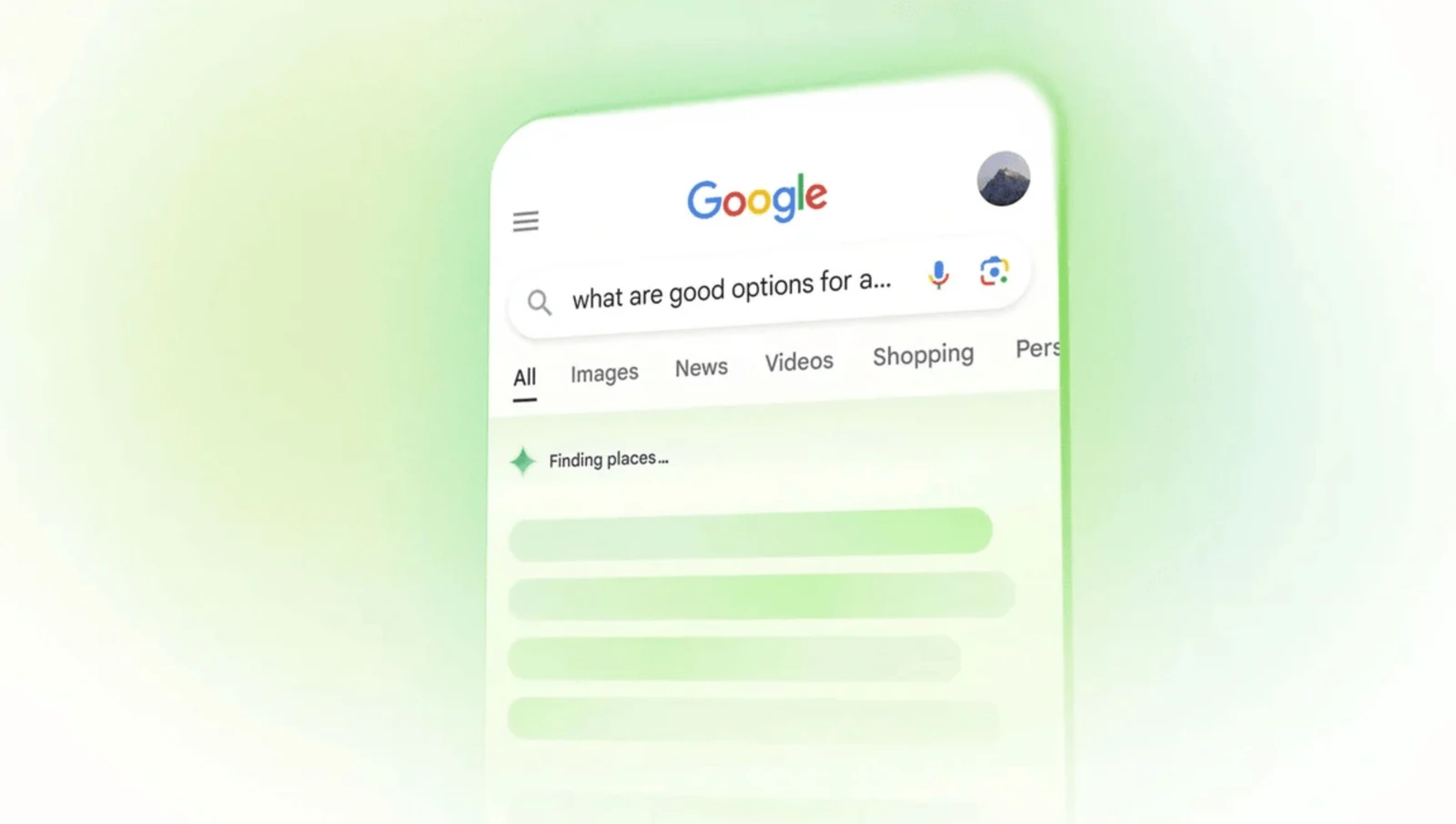
Six ways generative AI is reshaping our search experience
Compare summary, conversational, image and conventional search tasks. Maintain readable evidence and direct answers without relying on one presentation format.
Practical notes
Evolving your SEO strategy for Google’s upcoming AI search experience
Review valuable pages for direct answers, supporting evidence and self-contained explanations. Avoid repeating keywords purely for machine visibility.

Practical notes
A practical guide to writing AI-friendly content
Answer one clear question per page with context and evidence for key facts. Explain tables and images in text rather than hiding answers in decoration.

Practical notes
SEO copywriting: How to write for users and not their clicks
Use customer language naturally in headings and answers. Avoid repeating paragraphs or creating pages without distinct purposes solely for keywords.

Practical notes
UX v SEO: Friends or Foes?
Use headings for customer questions, direct answers and clear onward navigation. Avoid keyword-only pages and excessive simplification.


Practical notes
Generative AI: How to prepare for the next evolution in organic search
Write service scope, contact routes and FAQs as self-contained explanations. Test answer completeness with real questions rather than adding markup alone.

Practical notes
Four common risks to SEO during migrations – and how to mitigate them
Check URL mapping, indexing settings, lost content and internal links. Preserve a pre-migration inventory and verify destination pages individually rather than redirecting everything to the homepage.

Practical notes
Regulating the use of generative AI in the workplace
Specify permitted inputs, prohibited uses, reviewers and incident handling. Distinguish internal assistance from public release and provide concrete examples.
Related practical notes
Build page topics, content structure and technical foundations around real search needs, then check whether the site can be discovered and understood.

Practical notes
How to choose the right CMS
Use an article, product and approval as sample tasks. Have real editors author, preview and restore content and record assistance and maintenance costs.


Practical notes
Building a martech stack
Map acquisition, content, email, analytics and customer records, including existing tools. Before adding a system, check export, synchronisation and maintenance ownership.
Practical notes
Plan human review for AI content
Generating a whole website and then looking for someone to check it encourages a rushed review. Decide beforehand which material is available, which statements need approval and who can publish the result. The draft can then be built around information that is possible to verify.

Practical notes
How to create a digital strategy roadmap
Separate current problems, near-term improvements and later experiments, with owners and evidence. Keep the rationale for roadmap changes traceable.

Practical notes
How to perform a website audit
Sample navigation, copy, images, forms, search and mobile tasks. A successful response establishes reachability, not correct content or behaviour.

Practical notes
How to brief a digital agency
State the business, audience, pages, available material and decision-maker. Clarify budget and timing conditions and identify specific reference sections.
Planning headless CMS content
Download this editable planning headless cms content to record current work, open questions and owners. OXOAK examples can be adapted to the project.
Digital product design workbook
Download this editable digital product design workbook to record current work, open questions and owners. OXOAK examples can be adapted to the project.

Practical notes
Why conducting a content audit is essential
Record URL, topic, owner, validity and action. Distinguish duplicates, outdated material and unsupported claims rather than deciding from traffic alone.