



Organise service information, public resources and accessible navigation. Explain suitability before comparison and the next step.
Content to prepare
Eligibility, required documents, steps, locations and accessible reading. Record sources, update dates and owners and mark missing material explicitly.
From browsing to action
Follow a real task through entry, listing, detail and contact. Explain requirements before enquiries or purchases and validate the same journey on mobile and with a keyboard.
Related design commentary
Organise service information, public resources and accessible navigation into a clear website experience that helps visitors understand the offering and find their next step.

New South Wales Government Headless Content Advisory · Design showcase
Reuse public content through shared models, sources and update ownership across traceable channels.

Magistrates Court of Victoria · Design showcase
Organise public court information by tasks, locations and required documents, supporting unfamiliar visitors.

AEMO Energy Live · Design showcase
Separate energy news, background explanations and archives, using titles and dates to establish relevance.

Victorian Ombudsman · Design showcase
Explain complaint eligibility, preparation and processing steps, keeping action links beside the guidance.

Royal Commission into Family Violence · Design showcase
Organise inquiry material by topic, chapter and format, with navigation, search and accessible downloads for long reports.

Yarra City Council · Design showcase
Group council information by resident tasks with consistent routes to applications, locations and public resources.
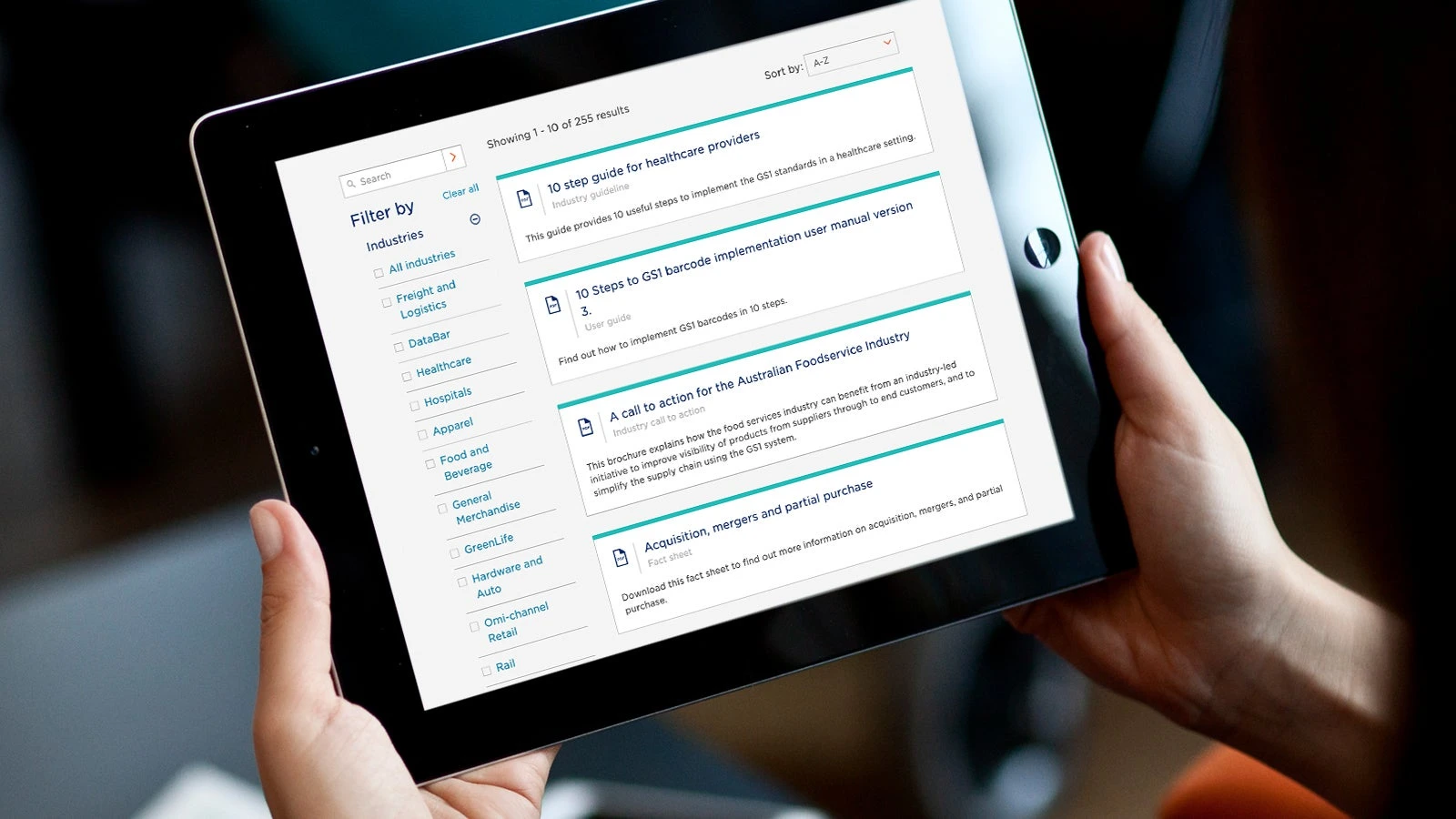
GS1 Australia · Design showcase
Separate onboarding, implementation and frequently used tools for standards services, explaining specialist language.
Related practical notes
Organise service information, public resources and accessible navigation into a clear website experience that helps visitors understand the offering and find their next step.

Specification comparison
Project discipline
Define specification comparison responsibilities, inputs, collaborators and review outcomes. This page describes a discipline; staffing is agreed for each project.

Brand positioning
Project discipline
Define brand positioning responsibilities, inputs, collaborators and review outcomes. This page describes a discipline; staffing is agreed for each project.

Visual consistency
Project discipline
Define visual consistency responsibilities, inputs, collaborators and review outcomes. This page describes a discipline; staffing is agreed for each project.

Practical notes
Making a public report readable and traceable
Provide a summary, contents and version date with sources for important conclusions. Label file format and size and keep download actions relevant.

Practical notes
5 content-related ‘crimes’ against accessibility
Check heading order, image alternatives, link names, table headers and form labels. A link should explain its destination without relying on “click here”.
Related services and platforms
Organise service information, public resources and accessible navigation into a clear website experience that helps visitors understand the offering and find their next step.

Discovery
Deliver an input inventory, research questions, current issues and scope boundaries. Separate assumptions rather than estimating from reference page counts alone.

Brand websites
Deliver home, services or products, about, contact and agreed supporting pages. Organise around understanding and enquiries and adapt the design to real material.

Digital strategy
Deliver a goal-to-task map, page priorities, metric definitions and a near-term roadmap. Agree the main customer task before deciding the first pages.

Digital design
Deliver compositions, typography, colour, imagery rules and responsive guidance. Validate real copy and mobile reading order before extracting shared components.

Content planning
Deliver a content inventory, titles, summaries, body structure and ownership. Separate explanation, evidence and action and record missing inputs.

Web hosting
Assess static delivery, dynamic requests and stored data separately, including account ownership, logs and recovery.
Shape the project
Organise service information, public resources and accessible navigation into a clear website experience that helps visitors understand the offering and find their next step.

Practical notes
How to choose the right CMS
Use an article, product and approval as sample tasks. Have real editors author, preview and restore content and record assistance and maintenance costs.

Practical notes
Building a martech stack
Map acquisition, content, email, analytics and customer records, including existing tools. Before adding a system, check export, synchronisation and maintenance ownership.

Practical notes
Plan human review for AI content
Generating a whole website and then looking for someone to check it encourages a rushed review. Decide beforehand which material is available, which statements need approval and who can publish the result. The draft can then be built around information that is possible to verify.

Practical notes
How to create a digital strategy roadmap
Separate current problems, near-term improvements and later experiments, with owners and evidence. Keep the rationale for roadmap changes traceable.

Practical notes
How to perform a website audit
Sample navigation, copy, images, forms, search and mobile tasks. A successful response establishes reachability, not correct content or behaviour.

Practical notes
How to brief a digital agency
State the business, audience, pages, available material and decision-maker. Clarify budget and timing conditions and identify specific reference sections.
Planning headless CMS content
Download this editable planning headless cms content to record current work, open questions and owners. OXOAK examples can be adapted to the project.
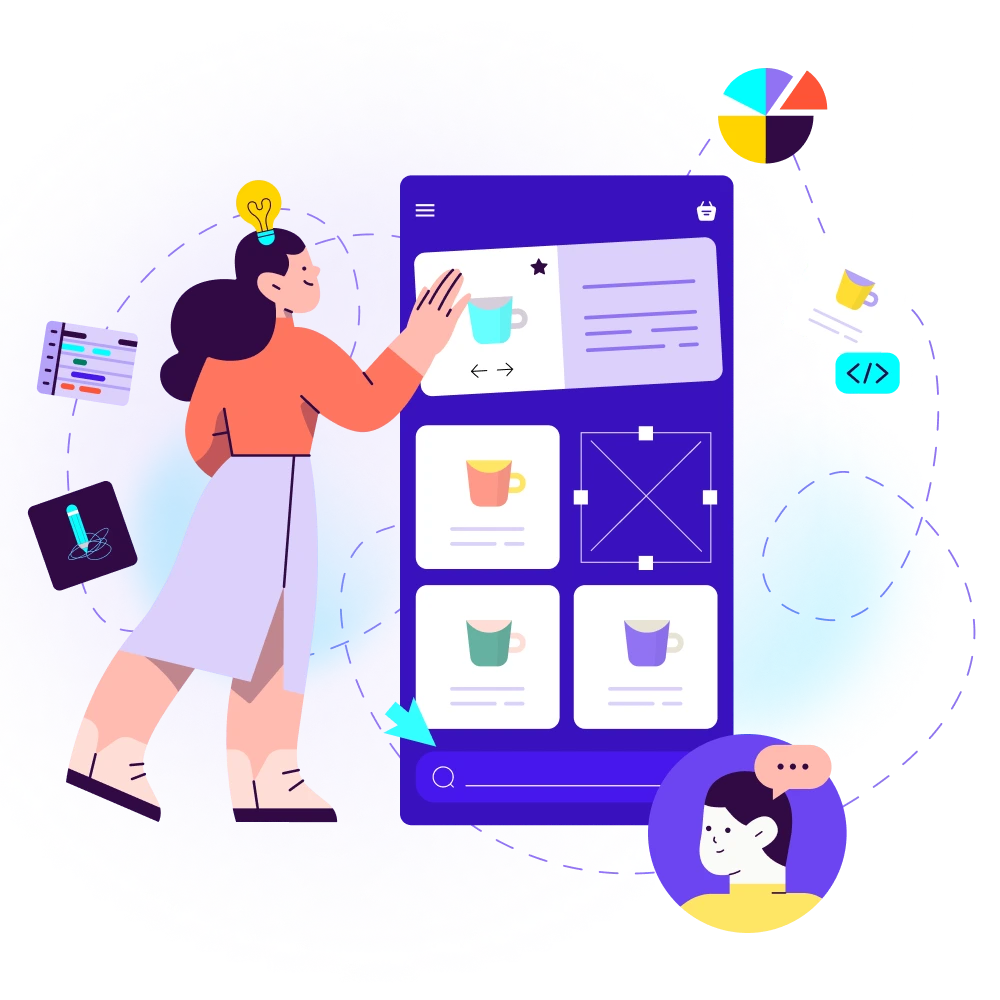
Digital product design workbook
Download this editable digital product design workbook to record current work, open questions and owners. OXOAK examples can be adapted to the project.
Practical notes
Why conducting a content audit is essential
Record URL, topic, owner, validity and action. Distinguish duplicates, outdated material and unsupported claims rather than deciding from traffic alone.