




Describe the problem before choosing a tool
We need AI is not yet an actionable requirement. Identify the slow step, its input and the result you need. Turning approved product material into a page draft is a different task from inventing product benefits, with different review needs.
Write a simple task statement: who supplies which material, what is produced, who approves it and where it will be used. This does not depend on a particular tool. It also provides a way to compare a manual process, a template and an AI-assisted workflow.
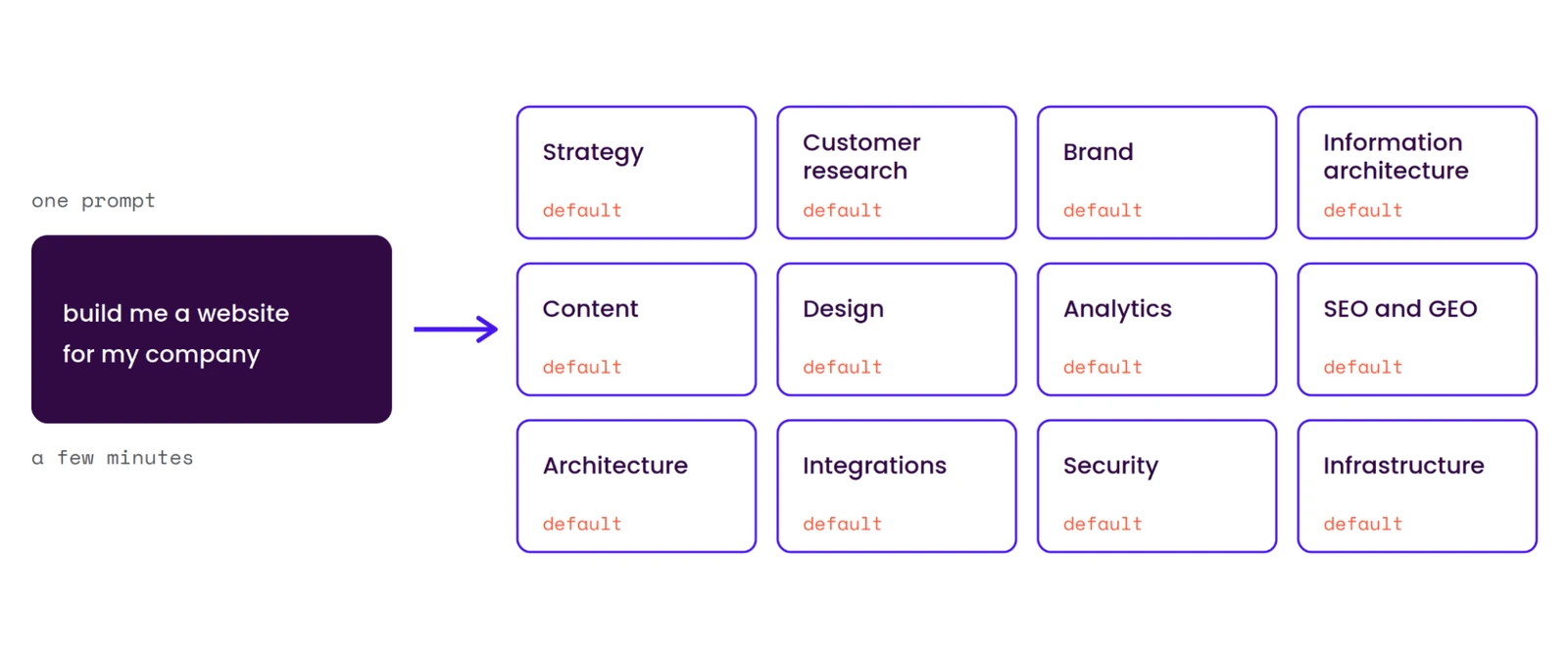
Separate expression from facts that need approval
AI can help organise a structure, rephrase copy or produce alternatives. Business scope, specifications, delivery conditions and client examples still need real supporting material. When information is missing, keep it as an open question rather than filling the gap with plausible wording.
For a service page, prepare the intended customer, included work, exclusions, common questions and contact route before asking for a draft. Keep uncertain details visible and have someone who knows the business complete them. The result is an editable starting point, not an automatically approved publication.
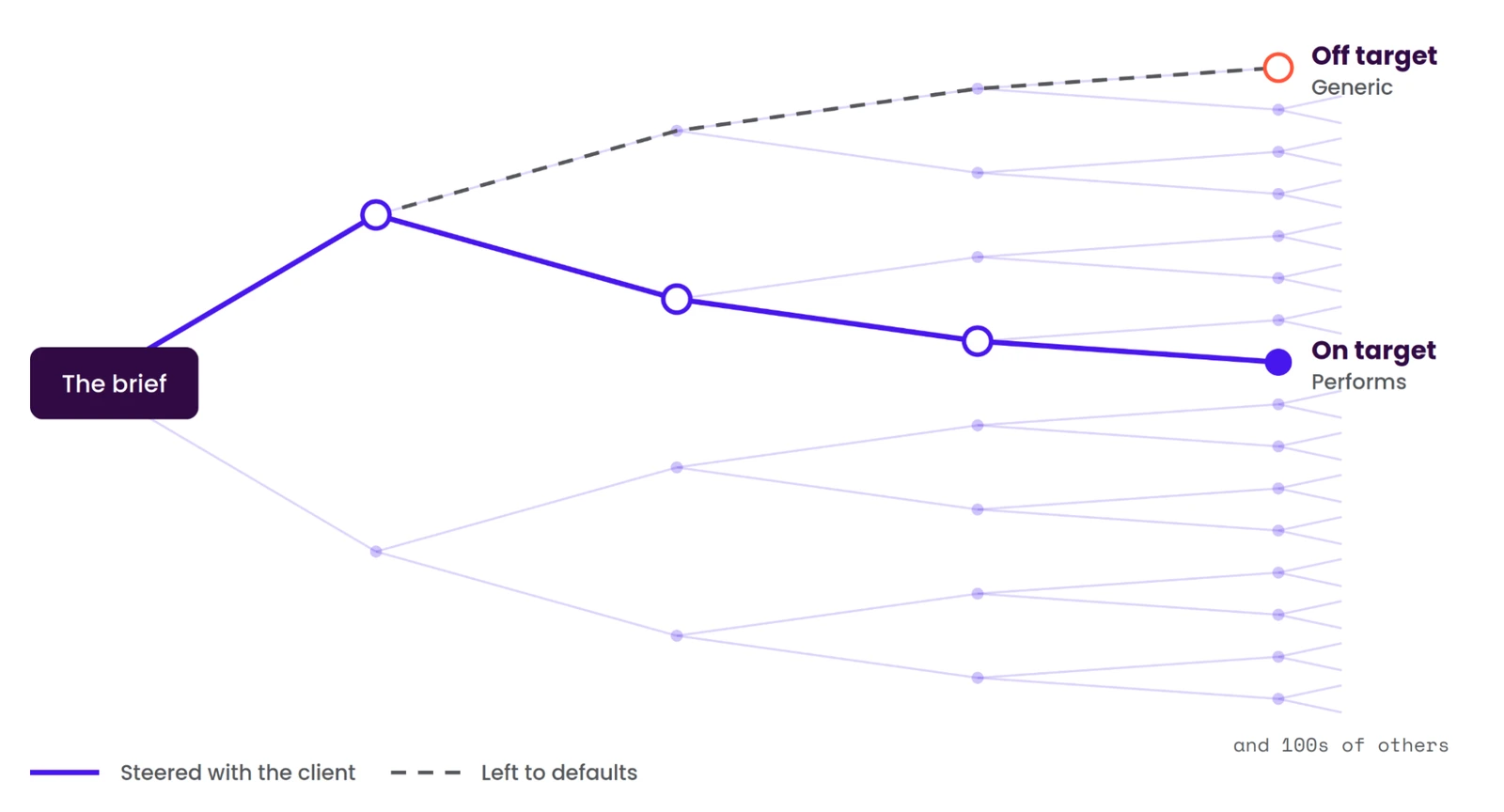
Run a trial small enough to inspect
Choose a limited task such as organising one service page or drafting an English version of an approved Chinese introduction. Keep the input, initial output, review comments and final version. Avoid making the entire website depend on a workflow that has not been tested.
Count the time spent reviewing and correcting as well as generating. A quick first draft does not necessarily shorten delivery. If verification and rewriting outweigh the saving, narrow the task, improve the input or use a simpler manual process.
Give every output an owner
Decide who confirms each result. A business owner checks accuracy, an editor checks wording and structure, and the implementation team checks the page in use. One person may cover several roles, but fluent writing is not a reason to skip their checks.
Inspect the actual website too. Buttons need correct destinations, forms need understandable feedback and mobile text needs to remain complete. A screenshot can demonstrate a visual direction; it cannot establish that those actions work.
Keep the useful steps in a repeatable process
Once a trial produces usable results reliably, record the input requirements, an example instruction and a short review checklist. State when to use the process and when a person should take over. The next task can then build on what has been learned.
Judge the workflow by clarity, verifiable results and maintainability. Tool names will change, but these questions remain useful. Understanding the business and its customers is also a strong foundation for obtaining a better generated draft.