


Next: Prepare a workable project brief
Download OXOAK worksheets for briefs, content, platform selection and acceptance. Edit locally; examples illustrate the format and are not customer records.
Prepare a workable project briefReduce unnecessary resources, explain facts and permissions and support varied devices and input methods. These are working principles rather than certification claims.
what is web accessibility
Establish material and ownership, then check the working page.
Support and maintenance
Deliver component and account inventories, recovery procedures, support boundaries and update records. Agree response times and third-party costs within the scope.
Privacy
Establish material and ownership, then check the working page.
Related practical notes

Practical notes
Reviewing responsible-business practices
Separate commitments, completed actions and supporting evidence. Describe practices without claiming certifications that have not been supplied.


Practical notes
Keeping team wellbeing activities voluntary
Accommodate different abilities, schedules and privacy preferences. Avoid mandatory personal-data disclosure or promises about individual health outcomes.




Practical notes
Building an evidence-based employer profile
Describe work practices, applications and feedback concretely. Verify certification validity rather than adopting a badge visible in an image.


Practical notes
Working from anywhere
Check connectivity, devices, access and hours and keep shared records. Distributed work should not scatter sensitive files across unmanaged devices.
Practical notes
Our social contract
Explain channels and confirmation at kickoff and refer to the agreement during disagreements. Review whether it still matches real work.

Practical notes
Designing fair participation in a charity challenge
Offer activity, communication or volunteer participation and optional public results. Keep support records separate from exercise data.

Practical notes
Making project coaching useful
Set a learning goal around real work and schedule demonstration, practice and feedback. Turn coaching notes into a checklist for completing the next task independently.

Practical notes
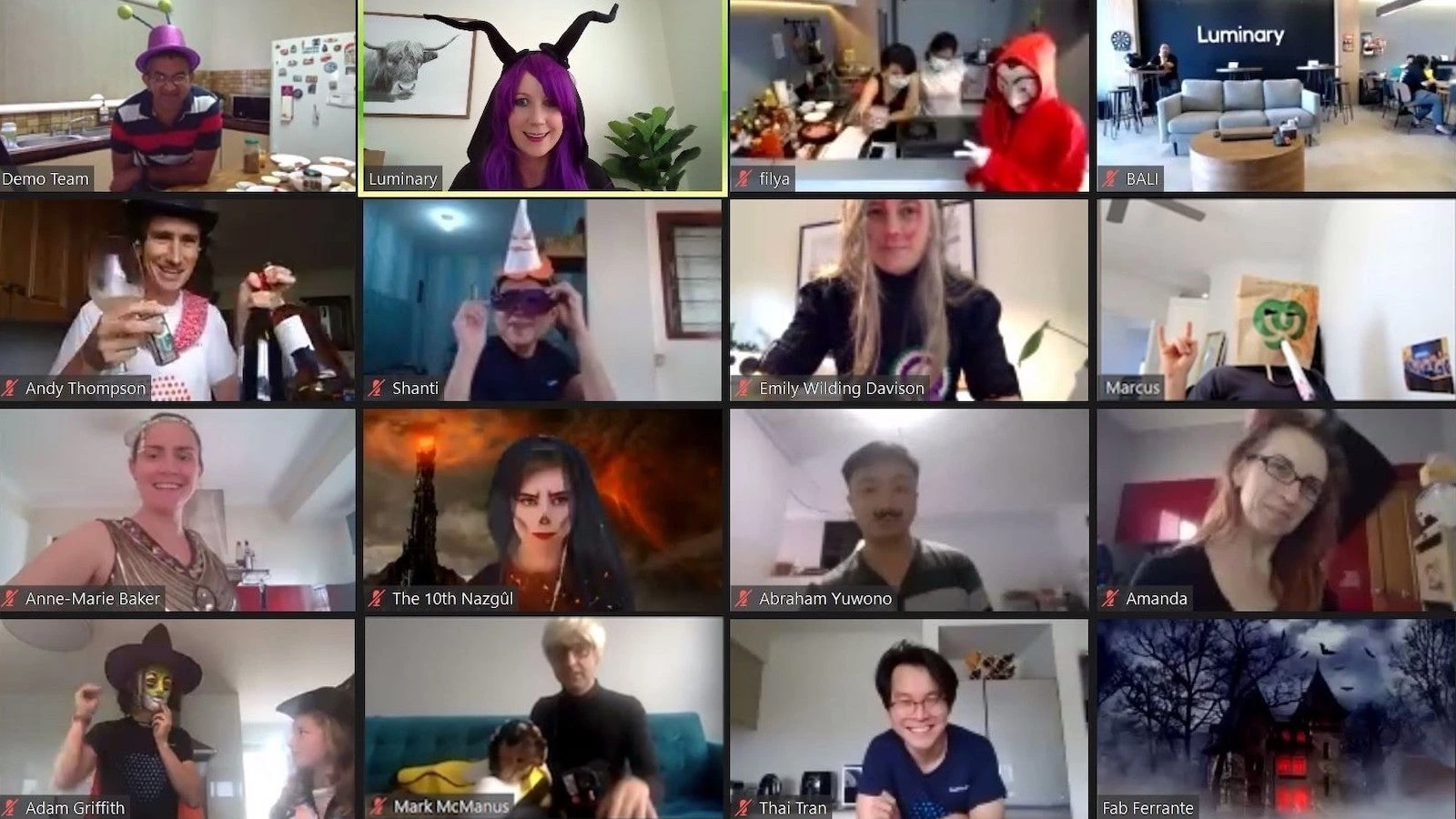
Maintaining continuity in remote collaboration
Keep decisions and progress in shared records and document changes after meetings. Absent members should be able to identify next steps without reconstructing chat history.

Practical notes
Debunking the myths of remote work
Compare delivery quality, waiting time and clarity rather than using office attendance as the only measure. Identify work that suits asynchronous communication and reduce unnecessary meetings.
Explain the business clearly and give every visit a direction.
Related practical notes
Practical notes
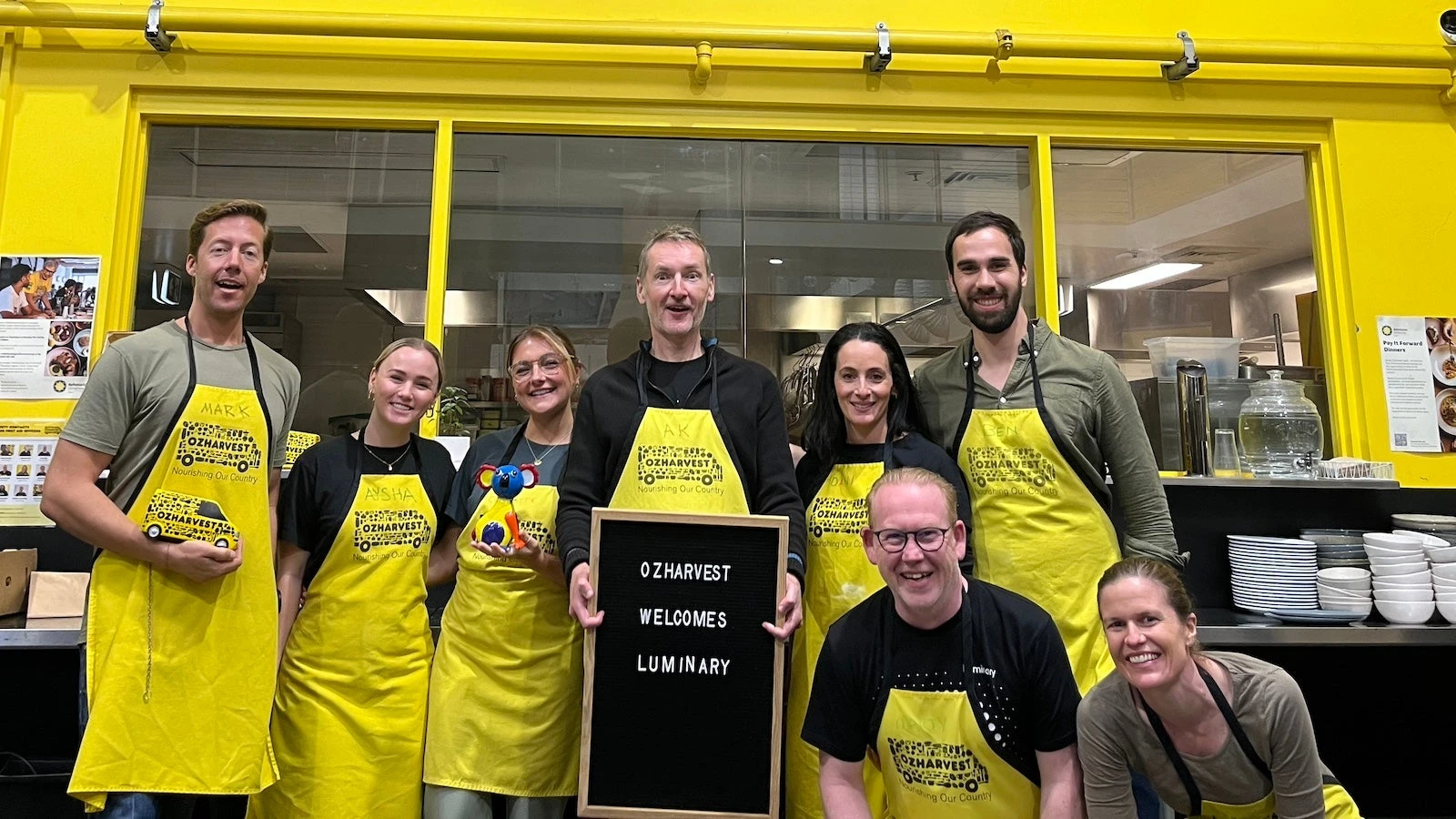
Making charity-event responsibilities clear
Name the organiser, eligibility, venue or dietary constraints and contact route. Close registration after the event while retaining information to prevent invalid applications.

Practical notes
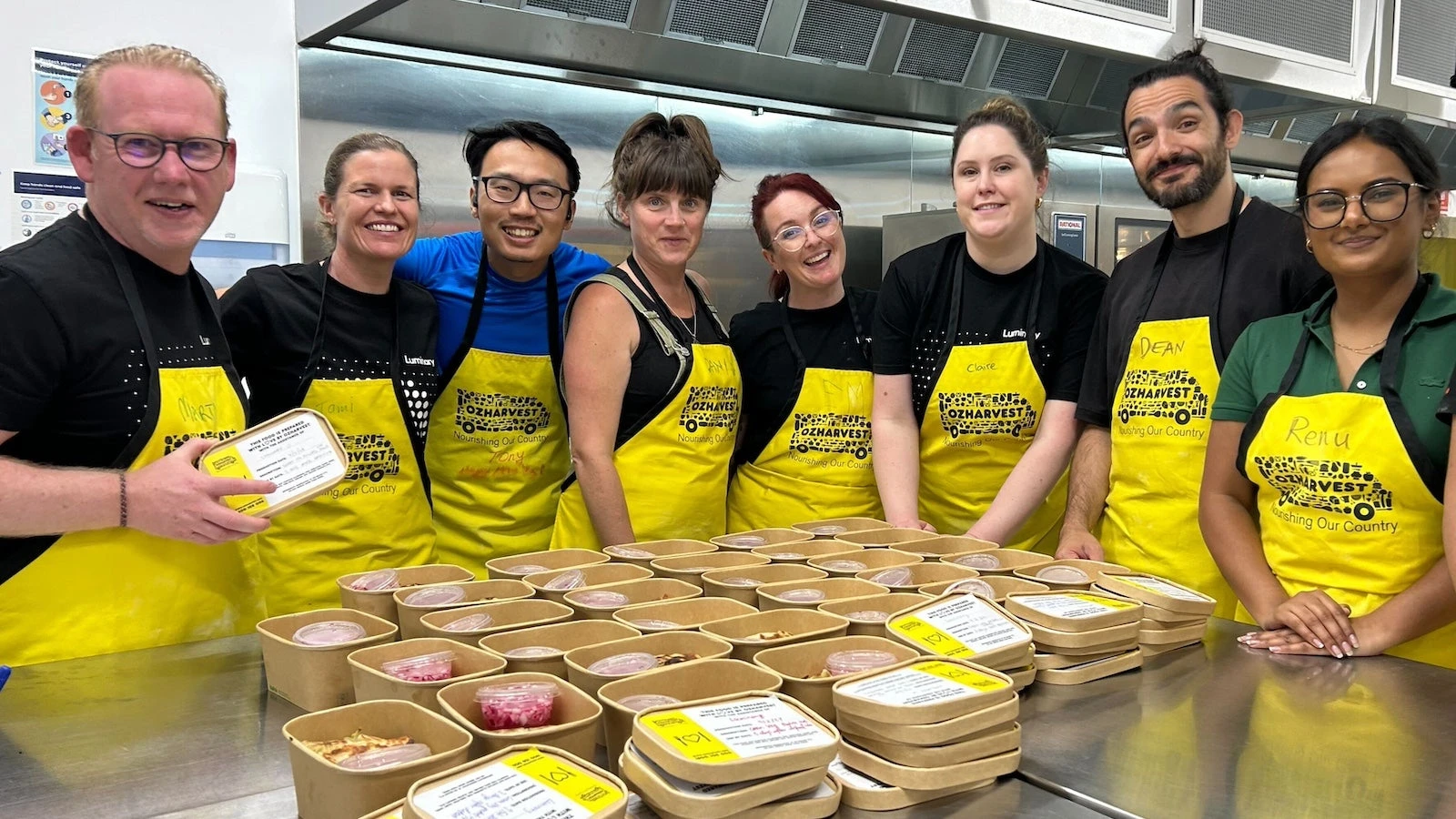
Defining a community programme on a website
Separate intentions, scheduled work and completed actions. Keep eligibility and contacts current and avoid unconfirmed partner marks.

Practical notes
Recording the outcome of a charity campaign
Keep participation, received funds and expenditure evidence separate. Check the reporting date and duplicates before publishing figures; registrations are not donations received.

Practical notes
Designing participation in an online charity event
Place participation rules, fund use and closing dates near registration. Explain success and next steps on confirmation so people do not resubmit or miss essential updates.


Practical notes
Organising information across community activities
Record dates, purposes and participation separately before summarising outcomes. Use photos and participant details within permission boundaries.

Practical notes
Protecting privacy in community-support stories
Verify permission and minimise identifying sensitive details. Focus on the organisation’s work rather than using personal hardship for promotion.

Practical notes
Distinguishing sponsorship from recognition
Distinguish organising, sponsoring, entering and winning and verify logo permission. Participation is not certification or a favourable judging outcome.

Practical notes
Showing both the purpose and limits of innovation
Structure the introduction around users, flow, evidence and limitations. Exclude unsupported market results and recognition.

Practical notes
Designing an innovation submission form
Collect only eligibility and review information and provide a preparation checklist. Confirm submission and explain how corrections can be requested.

Practical notes
Reviewing evidence of technical innovation
Ask for a problem definition, working prototype and validation records. Evaluate demonstration quality separately from dependable operation and avoid unverified business results.

Practical notes
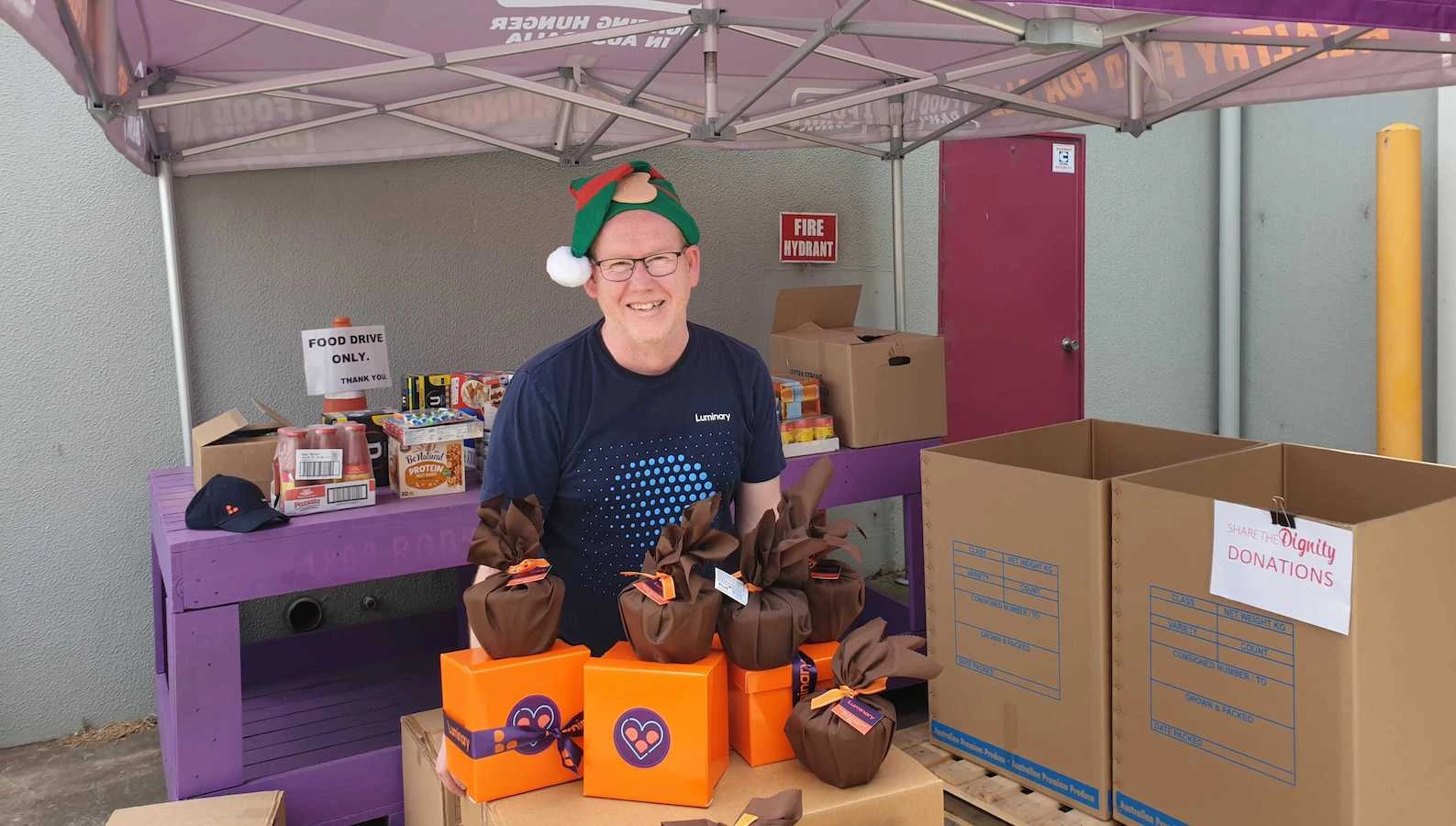
Explaining participation in volunteer activities
State ownership, timing, tasks and safety arrangements with an option not to participate. Publish leave or benefit commitments only when confirmed.
Practical notes
Writing a grounded volunteering story
Confirm accounts and photo permissions with participants. Prioritise the organisation’s needs and exclude unsupported impact figures.
Practical notes
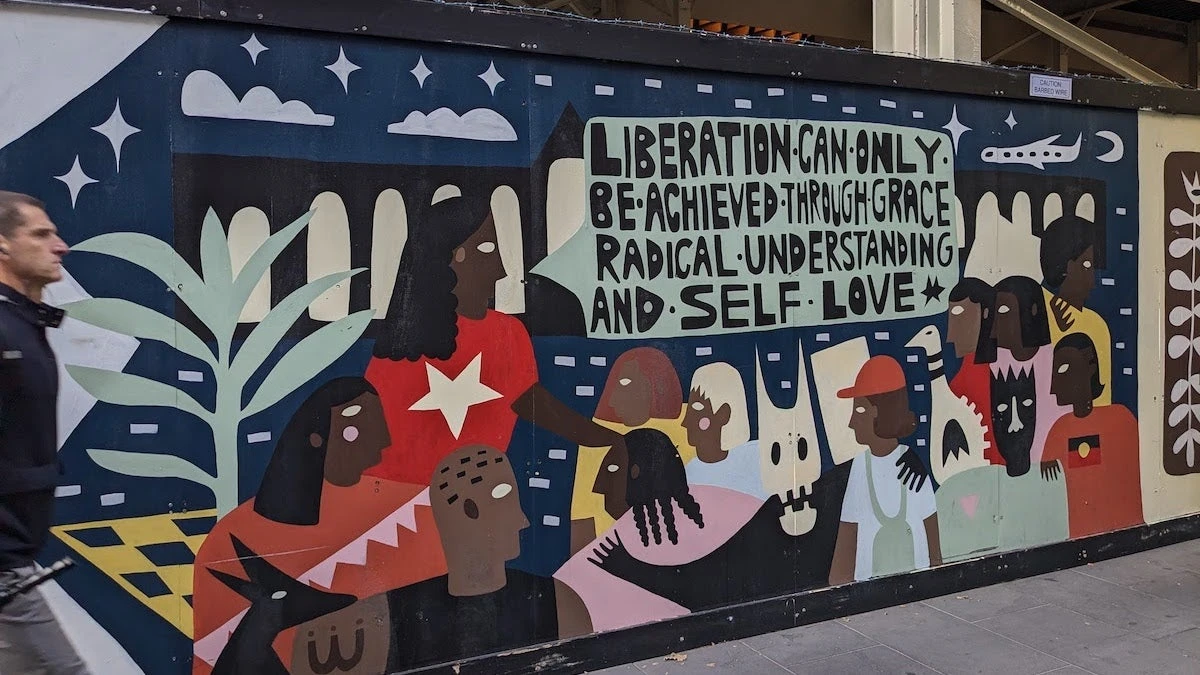
Respecting ownership in cultural content
Confirm who supplied names, images and accounts and what permissions apply. Invite relevant contributors to review community narratives.
Shape the project

Practical notes
Writing bounded environmental statements
State the subject, period and method, distinguishing reduction from offsetting. Do not present unverified results as certification conclusions.
Practical notes
Infographic: Australia’s Digital Carbon Footprint
Inventory image, video, font and third-party script sizes and load frequency. Repeat measurements under the same conditions instead of equating fewer files with verified emissions reductions.

Practical notes
Reducing your carbon footprint in the home office
Inventory idle devices, repeated downloads and unnecessary video work. Measure environmental effects rather than presenting habits as verified reductions.
Practical notes
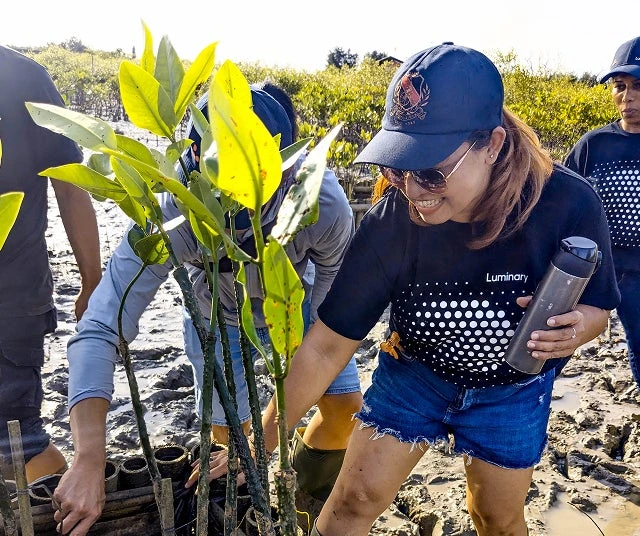
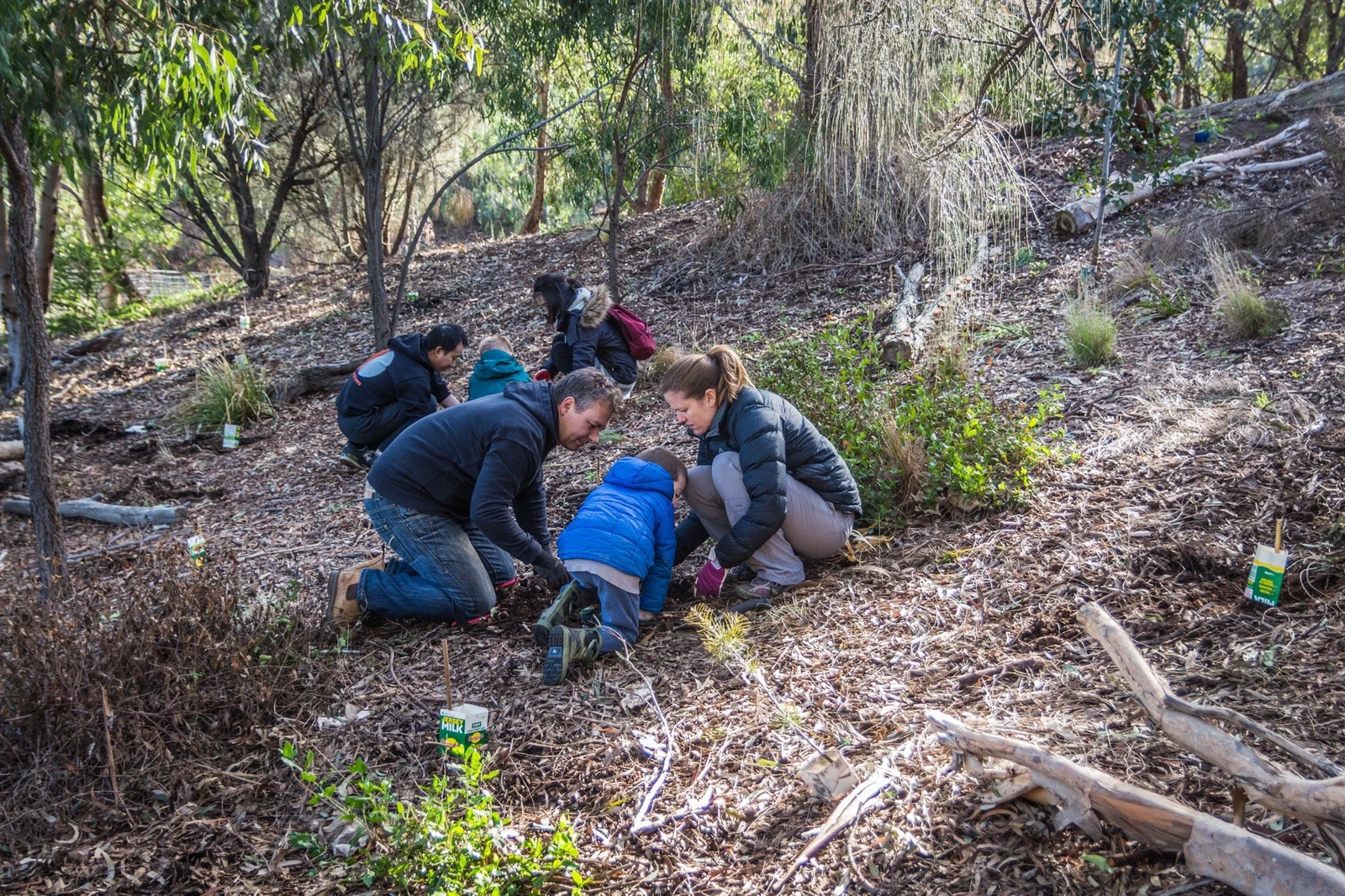
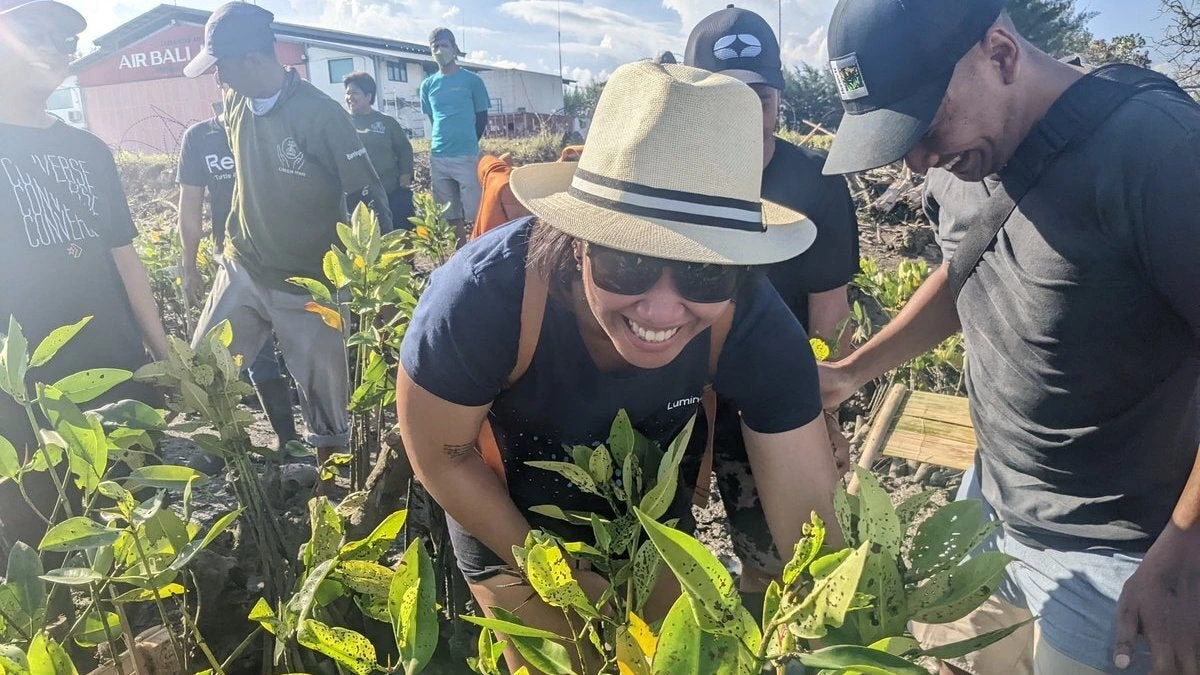
Recording a planting activity with clear scope
Verify locations, counts, execution records and maintenance. Do not convert planting counts into unmeasured emissions claims.

Practical notes
Recording evidence for environmental goals
Define scope and period before collecting activity data. Record reductions, substitutions and offsets separately without extending a limited result to an entire organisation.
Practical notes
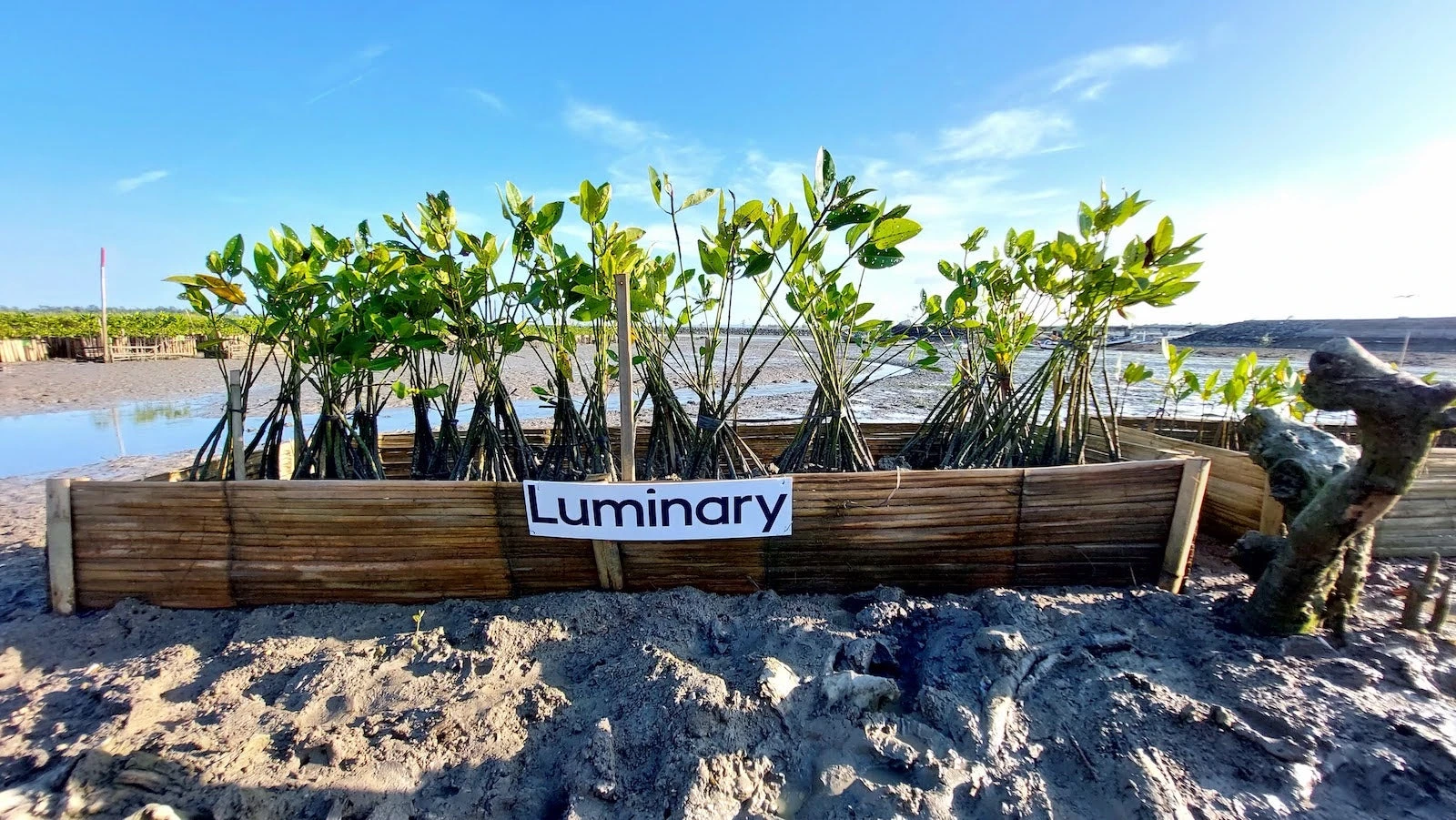
Offsetting our carbon footprint in Bali
Preserve project provenance, periods and associated activity data. Describe direct resource reductions separately from other evidenced measures.
Practical notes
How to reduce your website’s carbon footprint
Compress images, remove unused scripts and reduce automatic video loading. Retest on the same device to ensure useful information remains available.

Next: Explaining support for a social cause